The Incredible Journey of Microplastics in Our Oceans!
Discover how these invisible invaders are reshaping marine life and our daily existence.
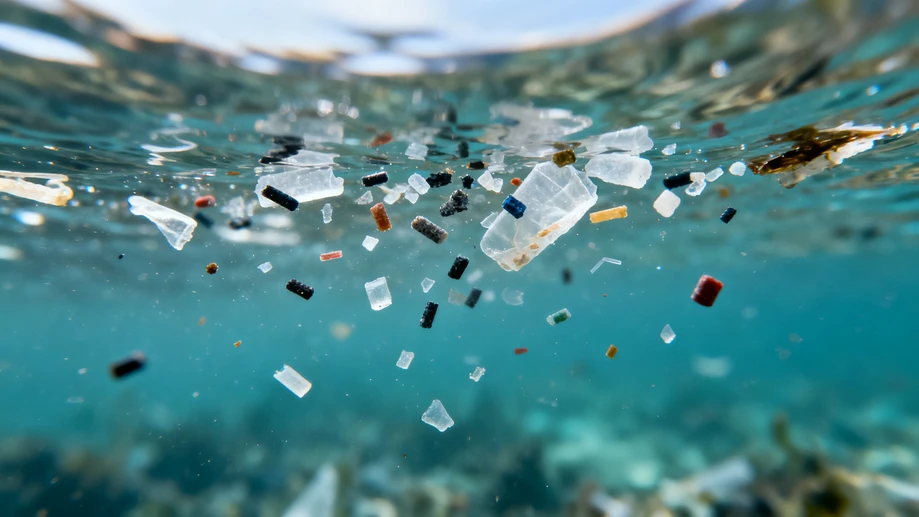
Imagine sipping a glass of water and unknowingly swallowing tiny plastic particles smaller than a grain of sand. These are microplastics, fragments less than 5 millimeters in size, and they're everywhere—from the deepest ocean trenches to the air we breathe. Scientists estimate that over 8 million tons of plastic enter our seas annually, breaking down into these minuscule invaders. This global phenomenon isn't just a distant environmental issue; it's a silent epidemic creeping into our homes. For instance, a single laundry load of synthetic fabrics can release thousands of microfibers into waterways. The sheer scale is staggering: studies show that microplastics now contaminate over 90% of the world's tap water samples. As we dive into this journey, it becomes clear that these particles are not merely pollutants—they're a testament to human innovation gone awry, turning our blue planet into a plastic soup.
Where do these microplastics originate? Surprisingly, they stem from everyday items we use without a second thought. Plastic bottles, bags, and packaging degrade over time under sun and waves, fragmenting into smaller pieces. But it's not just litter; personal care products like exfoliating scrubs and toothpaste once contained microbeads, which were banned in many countries but still linger in ecosystems. Even synthetic clothing sheds fibers during washing, contributing to an estimated 35% of microplastic pollution in oceans. The global spread is relentless: ocean currents carry these particles across continents, with hotspots like the Great Pacific Garbage Patch acting as swirling vortexes. In regions like Southeast Asia, rapid industrialization has amplified the issue, where inadequate waste management allows plastics to enter rivers and flow to sea. This isn't a localized problem—it's a planetary chain reaction, where a discarded bottle in New York can end up poisoning fish in the Mediterranean.
The impact on marine life is both heartbreaking and alarming. Fish, turtles, and seabirds mistake microplastics for food, leading to internal blockages, starvation, and even death. Research reveals that over 700 marine species ingest these particles, with coral reefs suffering reduced growth rates due to chemical leaching. But the threat extends beyond the ocean: microplastics enter the food chain, accumulating in shellfish and larger fish that humans consume. Studies link this to potential health risks, such as inflammation and hormone disruption, though long-term effects are still under investigation. For example, a recent report found microplastics in human blood and lungs, raising urgent questions about our own vulnerability. This invisible invasion transforms vibrant ecosystems into toxic traps, where a single plankton can carry a cocktail of pollutants. It's a stark reminder that the ocean's health is inextricably tied to ours—every bite of sushi might come with an unwanted plastic garnish.
How does this connect to your daily routine? Look around: that fleece jacket, the takeout container, or even your tea bag—all can shed microplastics. In homes, washing machines release fibers into wastewater, while car tires erode on roads, adding to airborne particles. Urban areas are microplastic factories, with rainwater washing contaminants into drains and eventually to sea. But it's not all doom; simple swaps make a difference. Opt for natural fabrics like cotton, use reusable bottles, and support brands with eco-friendly packaging. Communities worldwide are adopting innovations, such as microfiber-catching laundry balls or beach clean-ups that prevent plastic from fragmenting. By tweaking habits, we reduce our footprint—proving that individual actions, multiplied globally, can stem the tide. This isn't about sacrifice; it's about smarter choices that protect both our oceans and our future.
Global efforts are gaining momentum, offering hope in this plastic crisis. International agreements like the UN's Clean Seas campaign aim to cut plastic waste by 2025, with countries from Europe to Asia implementing bans on single-use items. Innovations abound: scientists develop biodegradable alternatives, and startups create ocean-cleaning drones that target microplastic hotspots. Public awareness is key—citizen science projects, like apps that track pollution, empower ordinary people to contribute data. As we move forward, the journey of microplastics teaches a profound lesson: our planet's resilience depends on collective action. By embracing sustainable living, we can turn the tide, ensuring that future generations inherit not a plastic-choked world, but vibrant, thriving seas.