
Could Dinner Be Your Next Health Checkup?
Edible sensors disguised as food are quietly revolutionizing medicine from within your gut
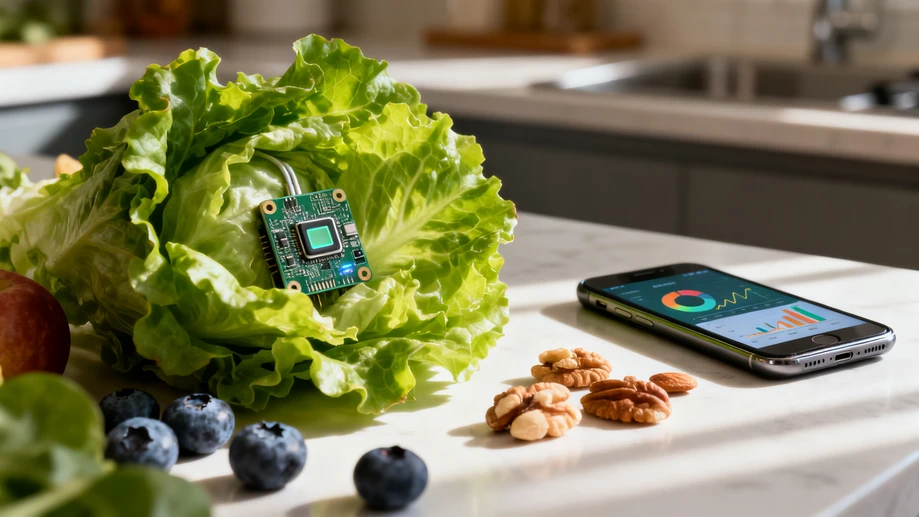
Imagine finishing a meal and receiving a personalized health report instead of just feeling full. This isn't science fiction but the reality unfolding in labs worldwide, where researchers have created tiny, digestible sensors that monitor your body while masquerading as part of your dinner. These breakthrough devices, smaller than sesame seeds, can be embedded in actual foods or packaged as unassuming supplements. Once swallowed, they journey through your digestive system collecting vital data – from nutrient absorption efficiency to early signs of inflammation – transmitting information wirelessly to your smartphone. The genius lies in their construction: biocompatible materials like food-grade gold and cellulose dissolve after completing their mission, bypassing surgical implants' invasiveness and smartwatches' surface-level limitations.
The magic happens when these edible gadgets encounter stomach acid. As they dissolve, microscopic electrodes activate and begin measuring biochemical changes. One version detects sodium levels through electrical conductivity shifts in gut fluids – critical for hypertension patients. Another uses pH-sensitive dyes to identify intestinal bleeding invisible to the naked eye. Swiss researchers engineered a vitamin-pill sized sensor that unfolds like a starfish in the stomach, its arms pressing against organ walls to monitor muscle contractions for irritable bowel syndrome diagnosis. Remarkably, MIT's latest prototype harvests energy from digestive enzymes themselves, eliminating batteries entirely. These innovations eliminate the agony of blood draws and colonoscopies for routine monitoring, turning an ordinary Tuesday dinner into a diagnostic session.
Real-world trials are revealing astonishing applications. In California nursing homes, dementia patients received sensor-laden purees that tracked hydration and medication absorption without compliance issues. Pediatricians in Tokyo are trialing chocolate-encased sensors that measure children's iron levels during digestion, replacing traumatic needle tests. Food safety gets revolutionized too: Singaporean scientists created microbe-sensitive sensors embedded in meat packaging; if salmonella develops, they trigger a visible color change before you take a single bite. Athletes now experiment with electrolyte-monitoring capsules during marathon training, receiving real-time alerts when their sodium drops dangerously low. The data could even customize your next meal – imagine your refrigerator suggesting potassium-rich bananas after your breakfast sensor flags a deficiency.
Privacy safeguards are ingeniously baked into the technology. Unlike continuous glucose monitors that transmit data constantly, these sensors activate only in specific chemical environments – your gut – preventing external hacking. Their transmissions use low-energy Bluetooth that can't penetrate body tissues beyond a few centimeters, meaning your neighbor can't intercept your digestion data. Data gets encrypted before reaching your phone, where AI algorithms convert raw numbers into plain-English insights: "Your vitamin D absorption improved 20% since adding avocado yesterday." Crucially, the sensors self-destruct completely within 48 hours, dissolving into elements already found in your bloodstream. No retrievable device means no sensitive data lingering in landfills or sewage systems.
What makes this breakthrough truly transformative is accessibility. Manufacturing costs have plummeted to under $0.50 per sensor using modified 3D food printers – cheaper than a multivitamin. Regulatory approvals are accelerating as materials mirror those in already-approved medications. Researchers predict that within five years, these sensors could be as commonplace as probiotic yogurts. Future versions might monitor stress hormones via gut-brain axis interactions or detect cancerous DNA fragments years before symptoms appear. The era of reactive medicine is ending; soon your digestive system could provide continuous health analytics before you even schedule a doctor's appointment. Bon appétit just became a prescription.