
5 Surprising Ways Your Gut Bacteria Control Your Cravings
Your microbiome might be the puppet master of your appetite
Deep within your digestive system, trillions of bacteria, viruses, and fungi form a bustling ecosystem called the gut microbiome. Far from being passive hitchhikers, this complex community plays a crucial role far beyond digestion. Recent research reveals a startling truth: these microscopic inhabitants significantly influence what you crave to eat and even how you feel. They communicate directly with your brain via the gut-brain axis, sending chemical signals that can sway your mood and food preferences in ways you never consciously realize. Understanding this hidden dialogue offers a fascinating new perspective on why that afternoon chocolate bar feels like an irresistible compulsion.
One of the most mind-bending discoveries is how specific gut bacteria manufacture neurotransmitters identical to those our own brain cells produce. Certain Lactobacillus strains, for instance, generate substantial amounts of gamma-aminobutyric acid (GABA), a key chemical that calms nervous system activity and reduces anxiety. When these bacteria thrive, they flood your system with their own "chill pills," potentially easing stress and diminishing cravings for comfort foods often sought during tense moments. It’s like having tiny, internal pharmacists working around the clock. Conversely, an imbalance favoring other microbes might promote anxious feelings that drive you towards sugary or fatty snacks.
The influence extends to the very foods you desire. Fascinating experiments, particularly with germ-free mice (born without any gut microbes), demonstrate this clearly. When transplanted with gut bacteria from obese humans, these previously lean mice rapidly gained weight and developed cravings for high-fat, high-sugar diets. The microbes seem to signal their preferences for their own preferred fuel sources. Some bacteria thrive on sugar, releasing compounds that stimulate the vagus nerve, sending signals to the brain demanding more sweet treats. Others might prefer fats or complex fibers, subtly manipulating their host's appetite to ensure their own survival and dominance in the gut environment.
Your stress response is another lever pulled by gut bacteria. When faced with chronic stress, your body releases cortisol. While essential in short bursts, prolonged high cortisol disrupts the delicate balance of your microbiome. This imbalance can favor stress-tolerant bacteria that might, in turn, produce compounds exacerbating anxiety or inflammation. The result? A vicious cycle where stress damages your gut flora, and the altered flora amplifies your stress and cravings, potentially leading to stress-eating. Breaking this cycle requires nurturing stress-resilient microbes through diet and lifestyle changes.
The gut microbiome also acts as a crucial training ground for your immune system, which is deeply intertwined with metabolic health and appetite regulation. An unhealthy, low-diversity microbiome can trigger chronic low-grade inflammation throughout the body. This systemic inflammation interferes with hormones like leptin and insulin, the very hormones responsible for signaling fullness and regulating blood sugar. When these signals get scrambled, feelings of persistent hunger and cravings for energy-dense, inflammatory foods (like processed carbs and trans fats) become much harder to resist, contributing to weight gain and metabolic issues.
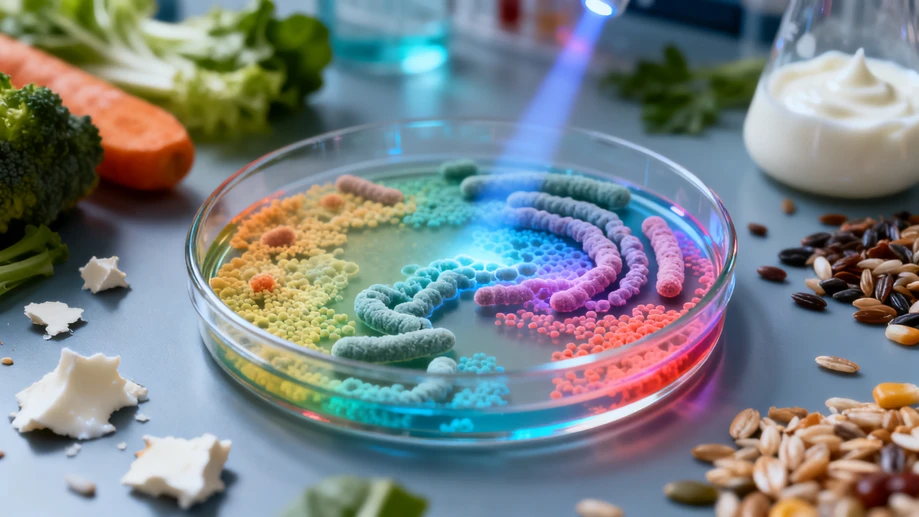
Perhaps the most empowering aspect of this research is the evidence that you can actively reshape your microbiome to support healthier cravings. Unlike fixed genetic code, your gut bacteria composition is remarkably plastic. Feeding them a diverse diet rich in colorful fruits, vegetables, whole grains, legumes, and fermented foods (like yogurt, kefir, kimchi, and sauerkraut) nourishes beneficial bacteria. These beneficial microbes crowd out their less helpful counterparts and produce compounds that support satiety signals, stabilize blood sugar, and reduce inflammatory cravings. Moving beyond simplistic "calories in, calories out," recognizing the influence of these microscopic inhabitants offers a more nuanced and potentially more effective strategy for managing cravings and improving overall metabolic health.