
Fermented Foods Revolution Sweeps Global Kitchens as Gut Health Awareness Rises
Ancient preservation techniques gain modern momentum with science-backed benefits transforming daily diets across continents
A silent culinary revolution is bubbling away in kitchens worldwide as fermented foods transition from traditional staples to mainstream superfoods. Consumer demand for kimchi, kefir, kombucha, and miso has surged by over 40% globally in the past three years according to market analysis, with health-conscious millennials leading this tangy trend. This resurgence reflects a broader shift toward functional nutrition where food serves as preventative medicine rather than mere sustenance. The fermentation revival connects ancient food preservation wisdom with modern scientific understanding of the human microbiome, creating a powerful dietary movement that transcends cultural boundaries while respecting culinary heritage.
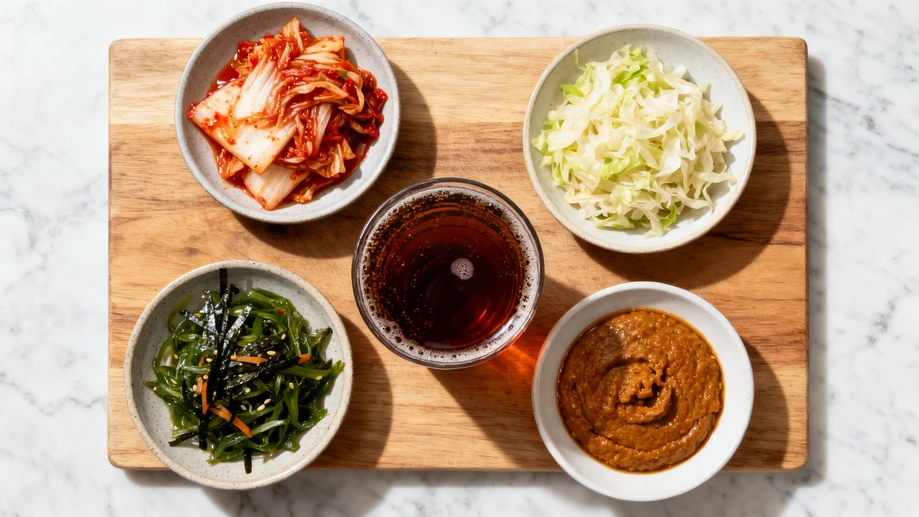
This global phenomenon manifests differently across regions yet shares common health motivations. European supermarkets now dedicate entire sections to refrigerated ferments like sauerkraut and kvass while Asian markets report unprecedented exports of artisanal kimchi and natto to Western nations. In Latin America, indigenous fermented corn beverages like chicha regain popularity alongside probiotic-rich yogurt varieties. What unites these diverse traditions is consumers' growing understanding of fermentation's biological alchemy where microorganisms transform ordinary ingredients into nutrient-dense powerhouses. The simultaneous availability of international options signifies a dietary convergence where Korean jun tea and Eastern European beet kvass coexist in cosmopolitan refrigerators.
Scientific validation propels fermented foods from folk remedy status to dietary essential. Recent studies confirm that regularly consuming live-culture foods increases microbial diversity in the gut by 30% compared to control groups. This microbial enrichment contributes to strengthened immunity, enhanced nutrient absorption, and reduced inflammation markers. Unlike high-tech supplements, fermented foods offer complex ecosystems of beneficial bacteria that interact synergistically with our biology. Researchers particularly note the unique advantage of traditional fermented vegetables which provide both probiotics for gut health and prebiotic fiber to nourish them. This natural pairing outperforms isolated probiotic supplements in creating sustainable gut environments.
Urbanization drives creative adaptations of traditional methods with modern practicality. Apartment dwellers worldwide are embracing small-scale fermentation using innovative tools like temperature-controlled jars and pH monitoring strips. Social media platforms showcase thousands of fermentation projects where users proudly display bubbling countertop vessels. The simultaneous rise in autoimmune conditions and digestive disorders makes DIY fermentation particularly appealing as people seek affordable solutions. Notably safe fermentation practices have proven remarkably consistent across skill levels when basic guidelines are followed. This accessibility creates food sovereignty where consumers control ingredient quality while significantly reducing packaging waste.
Surprisingly the fermentation movement challenges conventional perceptions about preservation. Unlike frozen or canned foods fermented products require minimal energy inputs beyond initial preparation. The preservation occurs through natural biological activity rather than industrial processes. Carbon footprint analysis reveals homemade fermented vegetables generate 90% less emissions than commercially refrigerated equivalents. As climate concerns influence food choices more households are discovering that a well-stocked fermentation crock provides both nutritional security and environmental benefits. This ancient technology offers solutions to modern dilemmas as global food systems face unprecedented strain.
One fascinating discovery involves the unexpected interaction between fermented soy and mineral absorption. Research indicates that the fermentation process in traditional miso and tempeh breaks down phytic acid which normally inhibits zinc and iron uptake. Regular consumers of fermented soy products show measurably higher mineral bioavailability than those eating non-fermented soy varieties. This biochemical transformation demonstrates how fermentation unlocks nutrients otherwise inaccessible to the human digestive system providing a natural solution to micronutrient deficiencies that affect billions worldwide.
The future promises even deeper integration of fermented foods into everyday nutrition. Food technologists are developing next-generation fermented products that blend traditional knowledge with contemporary science. Expect innovations like caffeine-free coffee alternatives using fermented grains and bean-based yogurt with superior protein profiles. As research confirms connections between gut health and mental wellness the fermented foods market anticipates sustained growth. This microbial renaissance illustrates how revisiting ancestral food wisdom can address modern health challenges creating a delicious revolution that honors both tradition and innovation.