
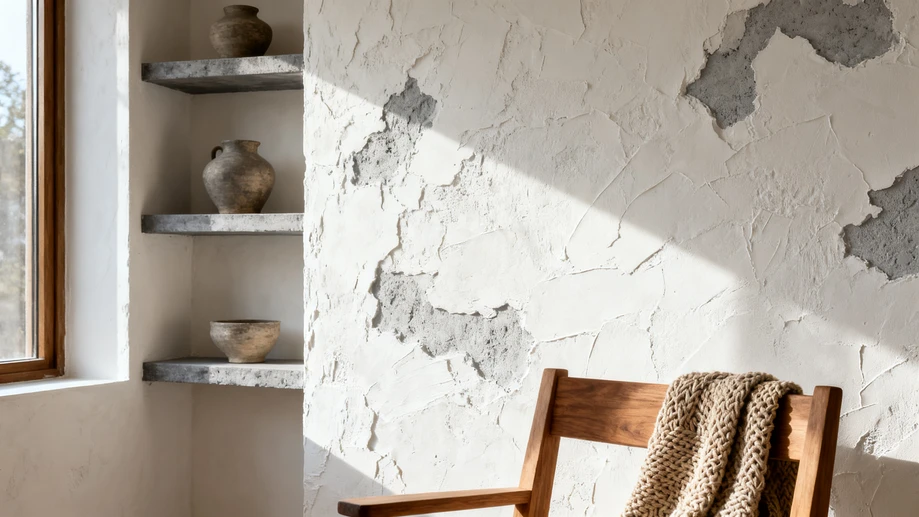
Textured Walls Emerge as Global Home Design Favorites Worldwide
Homeowners embrace tactile surfaces from limewash to plaster for depth and warmth in modern interiors.
Across continents, an unexpected design renaissance is unfolding on residential walls. Smooth, flat finishes are yielding to rich textures that invite touch and create visual depth. This tactile revolution responds to our digital saturation – people increasingly crave physical connection through materials that show craftsmanship and imperfection. Limewash and Venetian plaster applications have surged over 300% in design consultations globally during the past year. Interior designers note this preference shift reflects a broader desire for homes that engage multiple senses.
The appeal lies in texture's transformative power. A simple bedroom gains dimension with clay-rendered accent walls. Corduroy-like plaster patterns cast shifting shadows throughout the day. Unlike wallpaper patterns that remain static, textured walls interact dynamically with light. This natural movement makes rooms feel alive without loud decor. While minimalism still dominates, its evolution embraces organic materials that add subtle complexity. The approach proves particularly effective in compact urban dwellings where visual layers compensate for limited square footage.
Practical benefits complement the aesthetic appeal. Textured walls camouflage minor imperfections, reducing maintenance demands compared to flawless painted surfaces. Many homeowners report improved acoustics as uneven surfaces diffuse sound waves. Clay and lime-based materials naturally regulate humidity, contributing to healthier indoor environments. Some historic techniques even gain recognition for sustainability advantages, though this drives preferences less than their sensory qualities. Installation costs vary widely, yet the trend inspires DIY experimentation with accessible techniques like skim coating.
Regional interpretations reveal cultural nuances. Mediterranean homes showcase rough tadelakt finishes in kitchens and baths. Nordic designs incorporate smooth, matte clay washes with minimalist furniture. Across Asia, smooth polished plasters coexist with woven grass cloth textures. The globalization of design inspiration means a Tokyo apartment might feature Moroccan-inspired plaster while a London loft adopts Korean hwangtoh clay. This cross-pollination underscores how local traditions gain universal appreciation in our connected era.
Interestingly, neuroscience partially explains texture's comfort factor. Studies reveal tactile surfaces stimulate brain regions associated with emotional warmth, unlike reflective modern materials. This biological response reinforces texture's enduring appeal. As we progress into 2025, expect bolder experiments with contrasting smooth and rough surfaces within single rooms. The tactile trend continues evolving beyond walls into ceilings and furniture, creating fully immersive environments that reconnect us with craftsmanship in an increasingly virtual world.