
Spring Travelers Flock to Japan's Cherry Blossom Festivals in Record Numbers
Experts Reveal How Post-Pandemic Travel Preferences Are Shaping Sakura Season Experiences
Cherry blossom season in Japan has transformed from a quiet cultural observance into a global pilgrimage, with tourism authorities reporting unprecedented international visitor numbers. This year, projections indicate a staggering 40% increase compared to pre-pandemic levels, with travelers converging on Tokyo, Kyoto, and Osaka weeks before peak bloom. The shift reflects a broader pattern where seasonal natural phenomena increasingly dictate global travel calendars, as people prioritize fleeting, visually spectacular experiences over traditional destination landmarks.
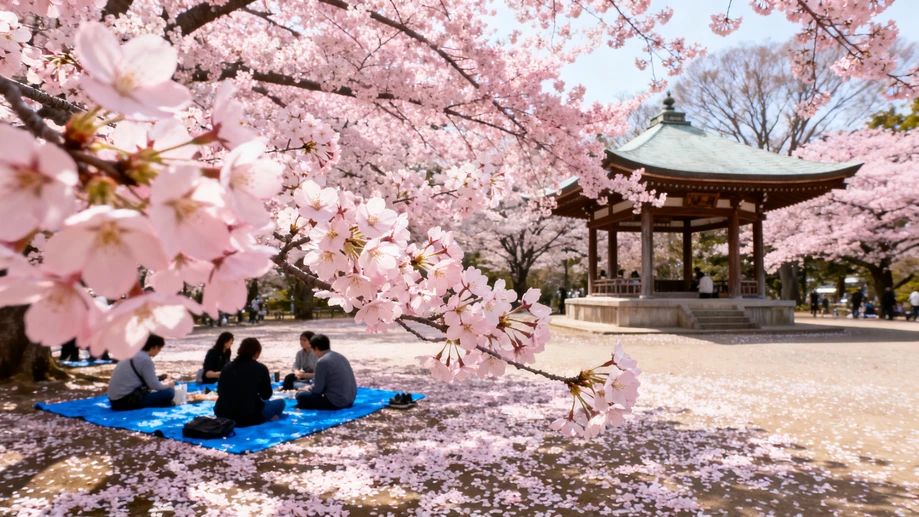
Interestingly, booking patterns reveal travelers are securing accommodations six months earlier than previous years, suggesting a move toward meticulous planning over spontaneous trips. This strategic approach extends to avoiding crowded urban centers, with rural regions like Yoshino and Aomori witnessing disproportionate growth. Visitors now allocate more time for contemplative hanami picnics beneath the trees rather than rapid sightseeing sprints, indicating a desire for immersive cultural connection beyond mere photo opportunities.
A noteworthy adaptation involves the integration of technology into these ancient traditions. Real-time bloom prediction apps have become indispensable tools, allowing travelers to adjust itineraries based on precise meteorological data. Destinations leverage this digital engagement by offering virtual blossom forecasts that generate anticipation months before arrival. This technological synergy between nature and innovation enhances visitor satisfaction while managing crowd distribution across lesser-known groves.
Beneath the aesthetic appeal lies a fascinating botanical fact: Japan's cherry trees belong to over 200 distinct varieties, each with unique bloom characteristics. The iconic Somei Yoshino dominates urban landscapes with its pale pink clusters, while rare varieties like the green-flowered Gyoiko appear in secluded temple gardens. This biodiversity creates a sequential blooming spectacle across latitudes that stretches the viewing season from March in Kyushu to May in Hokkaido.
Local communities have responded inventively to the surge, developing night illumination events called yozakura that extend viewing hours and reduce daytime congestion. Artisans collaborate with tourism boards to offer specialized workshops where visitors create blossom-themed ceramics or traditional wagashi sweets. These initiatives preserve cultural authenticity while accommodating larger crowds sustainably, transforming potential challenges into opportunities for economic revitalization.
Looking ahead, industry analysts anticipate this trend will influence floral tourism worldwide, with destinations like South Korea and Washington D.C. developing competitive blossom festivals. However, Japan's unique blend of horticultural heritage, seasonal rituals, and modern hospitality infrastructure maintains its unparalleled appeal. The sakura season's transformation into a global phenomenon underscores nature's enduring power to shape human movement and cultural exchange across continents.