
Ancient Ferments Are Modern Society's Surprising Lifeline to Gut Health
From Korean Kimchi to German Sauerkraut, Gut-Friendly Foods Dominate Global Tables as Science Validates Traditional Wisdom
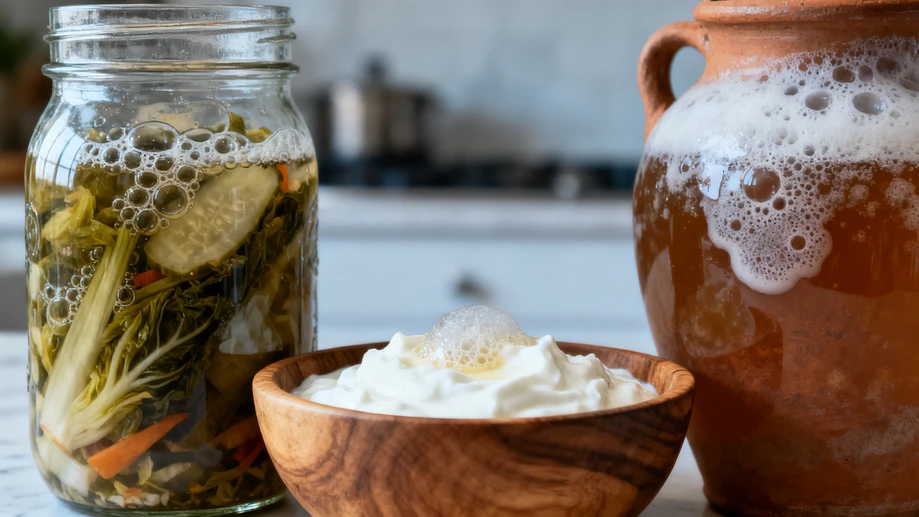
Move over, kale smoothies and quinoa bowls. The latest global health trend bubbling up isn't a newly discovered superfood, but rather a return to one of humanity's oldest preservation methods: fermentation. Across continents, consumers are increasingly seeking out tangy, probiotic-rich foods like kimchi, kefir, kombucha, sauerkraut, miso, and yogurt, driven by a burgeoning understanding of the critical link between gut health and overall well-being. This isn't just niche health food store fare; major supermarket chains and restaurants worldwide are rapidly expanding their fermented offerings, responding to surging demand that transcends traditional cultural boundaries. The humble jar of pickles or tangy drink has become a symbol of proactive health management in kitchens from Seoul to San Francisco.
The science underpinning this shift is compelling and increasingly accessible. Research continues to illuminate the profound influence of the gut microbiome – the trillions of bacteria residing in our digestive system – on everything from immune function and mental health to nutrient absorption and inflammation control. Fermented foods, teeming with live beneficial bacteria (probiotics) and the compounds that feed them (prebiotics), offer a direct route to nurturing this complex internal ecosystem. Unlike isolated probiotic supplements, fermented foods provide a diverse array of microbial strains alongside the nutrients and enzymes produced during the fermentation process itself. This holistic package resonates deeply with consumers seeking natural, food-based solutions for long-term vitality, making "feeding your gut" a mainstream health mantra.
Interestingly, this trend manifests uniquely across different regions, blending tradition with modern innovation. In East Asia, kimchi and miso, staples for centuries, are experiencing renewed popularity, not just as condiments but as central ingredients in contemporary dishes. European markets report significant growth in traditionally fermented items like sauerkraut, kefir, and kvass, often now found in convenient, ready-to-eat formats. North America, perhaps the most dynamic market, has seen an explosion in artisanal kombucha brands, creative vegetable ferments (think beet kvass or fermented hot sauces), and even fermented bean pastes moving beyond Asian cuisine. This global patchwork reflects a fascinating fusion: ancient wisdom preserved and repackaged for the modern, health-conscious global citizen.
Convenience and culinary appeal are crucial accelerators. Recognizing that taste and ease of use are paramount, producers are innovating rapidly. We see shelf-stable, single-serve probiotic drinks, flavorful kimchi varieties with less intense heat for broader palates, fermented vegetable blends perfect for quick snacks or salad toppers, and even high-quality, small-batch sauerkraut available online. Restaurants are incorporating fermented elements more thoughtfully, using them to add complex umami and acidity to dishes rather than as mere garnishes. This focus on making gut-healthy foods delicious and effortlessly integrated into daily routines removes significant barriers to sustained adoption, moving them from perceived health chores to desirable culinary delights.
Looking ahead, the fermentation wave shows no signs of subsiding. As scientific understanding deepens, linking specific microbial strains to targeted health outcomes, we can anticipate even more personalized fermented food options. Expect continued innovation in plant-based ferments catering to vegan and dairy-free consumers, novel flavor combinations pushing culinary boundaries, and increased focus on the fermentation process itself – highlighting artisanal methods and terroir. The global embrace of fermented foods represents more than a dietary fad; it signifies a profound shift towards recognizing food as fundamental medicine, reconnecting with ancestral practices, and harnessing the power of microbes for a healthier future, one tangy bite at a time.