
Are Your Gadgets Secretly Plotting Against You?
Unveiling the Hidden Ways Your Everyday Electronics Gather and Share Your Data
Imagine this: you wake up to your smartphone alarm, grab a coffee brewed by your smart appliance, and head out while your fitness tracker logs every step. These gadgets seem like loyal helpers, but beneath their shiny surfaces lies a web of data collection that might surprise you. In today's hyper-connected world, electronics like smartphones, smart speakers, and wearable devices are embedded in our daily routines, making life smoother and more efficient. Yet, as they gather information on our habits, preferences, and even locations, a quiet revolution is unfolding. This isn't science fiction—it's the real, everyday reality of the electronics industry, where companies use sensors and algorithms to turn your actions into valuable insights. The average person interacts with over ten devices daily, creating a digital footprint that could fill libraries. But why should you care? Because understanding this hidden ecosystem empowers you to take control, turning potential paranoia into practical awareness.
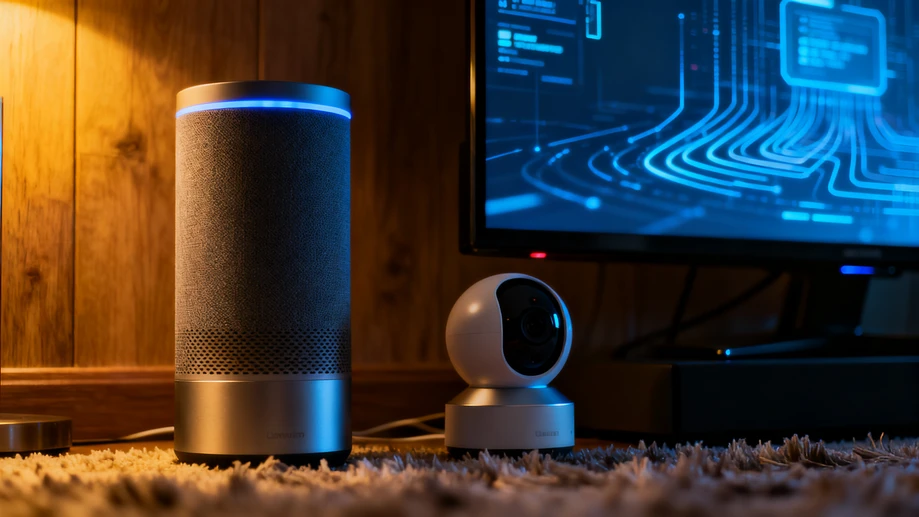
At the heart of this data dance are tiny sensors and software that work silently in the background. Take your smartphone, for instance: its GPS tracks your movements, the microphone listens for voice commands, and the accelerometer senses when you're walking or driving. All this data gets packaged and sent to cloud servers, where algorithms analyze it to predict your next move—like suggesting a route home or playing your favorite playlist. Similarly, smart home devices, such as thermostats or security cameras, monitor your environment to optimize energy use or alert you to intruders. But here's the kicker: this isn't just about convenience. Companies leverage this information for targeted advertising, product improvements, and even health insights. For example, fitness bands collect heart rate and sleep patterns, helping users spot trends but also feeding anonymized data to researchers. It's a fascinating give-and-take: you get personalized experiences, while businesses gain market intelligence. Yet, without proper safeguards, this exchange can feel like a one-sided bargain, raising questions about who really benefits from your digital life.
Real-life stories bring this to life in ways that might make you chuckle or cringe. Consider Jane, a busy mom who noticed her smart speaker playing ads for baby products right after she mentioned her toddler's birthday. Or Tom, whose fitness app suddenly recommended a new running shoe brand after he logged extra miles. These aren't coincidences—they're examples of how electronics learn from your behavior. In the kitchen, smart refrigerators scan barcodes to track food expiration dates, sending reminders to your phone. On the go, earbuds adjust volume based on ambient noise levels, creating a seamless audio experience. But the fun part? These gadgets often "talk" to each other through the Internet of Things (IoT), like your car syncing with your calendar to suggest the fastest route to a meeting. It's all designed to feel effortless, but it highlights how deeply integrated technology has become. The key is balance: while these features save time and reduce stress, they also remind us that our gadgets are always "listening," turning mundane moments into data points.
Of course, with great power comes great responsibility, and the electronics industry faces challenges in keeping your information safe. Data breaches, though rare, can expose personal details, leading to identity theft or unwanted tracking. That's why regulations like GDPR in Europe and similar laws worldwide push companies to be transparent about what they collect and how it's used. For instance, many apps now ask for explicit permission before accessing your location or contacts, giving you more say in the process. But the risks aren't just about hackers—over-reliance on gadgets can erode privacy in subtle ways. Think about social media apps that use facial recognition to tag photos or shopping sites that track your browsing history. The good news? Innovations are emerging to protect users, such as end-to-end encryption that scrambles data so only you and the intended receiver can read it. Plus, industry leaders are investing in "privacy by design," building security into devices from the start. This shift shows that while electronics can feel like silent observers, they're evolving to prioritize your trust.
So, how can you stay one step ahead without ditching your devices? Simple, practical steps can turn you from a passive user into a savvy guardian of your digital life. Start by reviewing app permissions on your phone—disable access to features you don't need, like location services for a calculator app. Use strong, unique passwords and enable two-factor authentication for added security. For smart home gadgets, regularly update firmware to patch vulnerabilities, and consider using a separate Wi-Fi network for IoT devices to isolate them from your main data. Embrace tools like virtual private networks (VPNs) to encrypt internet traffic, making it harder for prying eyes to snoop. And don't forget the human element: be mindful of what you share online, as oversharing can amplify risks. These habits not only safeguard your information but also enhance your gadget experience, letting you enjoy the perks without the paranoia. After all, electronics are tools, not tyrants—with a bit of know-how, you can harness their power while keeping your secrets safe.
In the end, the story of modern electronics isn't one of betrayal but of incredible innovation that enriches our lives. These gadgets connect us to loved ones, boost productivity, and even save lives through health monitoring. As the industry grows—projected to hit $3 trillion by 2025—it's driving advancements like AI-powered assistants that anticipate needs or eco-friendly devices that reduce waste. The takeaway? Embrace the tech, but stay informed. By demystifying how your devices work, you transform from a user into an empowered participant in this digital age. So next time your phone suggests a new restaurant or your watch nudges you to stand up, remember: it's not plotting against you; it's learning to serve you better. That's the real magic of electronics—a blend of science and simplicity that makes everyday life a little brighter.