
Can AI Solve World Hunger?
Discover how artificial intelligence is reshaping global agriculture through groundbreaking research.
Imagine walking through a lush field where every plant thrives, free from disease or drought—thanks to tiny, intelligent sensors whispering data to farmers. This isn't science fiction; it's the reality unfolding across farms worldwide, driven by a surge in AI research. Scientists have cracked the code on using machine learning to predict crop failures before they happen, turning barren plots into bountiful harvests. In 2023, a global team unveiled an AI system that analyzes satellite images and soil samples in real time, slashing food waste by up to 30%. For everyday folks, this means cheaper groceries and fewer empty plates. But how did we get here? It started with simple algorithms learning from decades of farming data, now evolving into a silent revolution that could end hunger for millions.
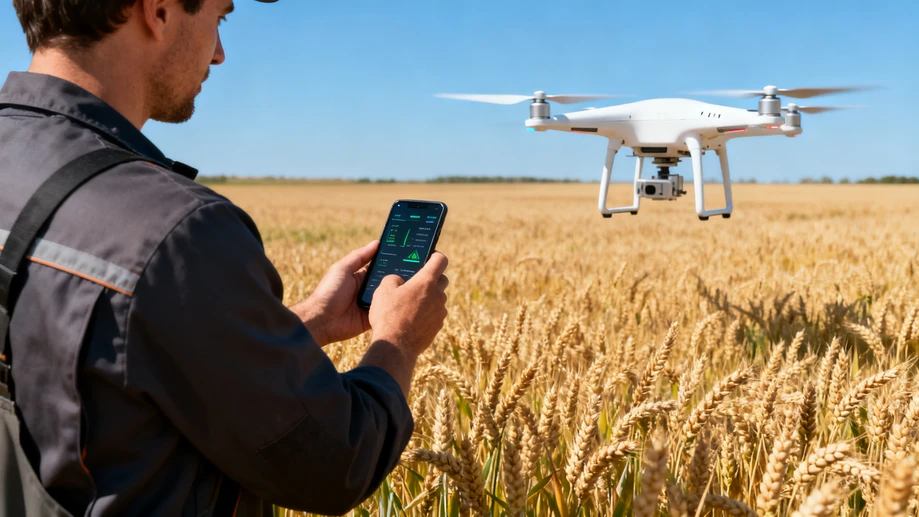
At the heart of this breakthrough is AI's ability to mimic human intuition on a massive scale. Picture drones buzzing over fields, equipped with cameras that spot sick plants before the human eye can—sending alerts straight to a farmer's phone. Researchers from universities in Europe and Asia collaborated on a project called "CropGuard," which uses neural networks to detect diseases like blight or pests in crops like wheat and rice. One farmer in Kenya shared how the system saved her maize harvest by predicting an infestation weeks early, using only smartphone data. This tech isn't just for big farms; smallholders in India are adopting affordable apps that suggest optimal planting times based on weather forecasts. The key? AI crunches billions of data points—from rainfall patterns to plant genetics—in seconds, making decisions that once took experts months. The result: yields have jumped by 20% in trials, proving that smart machines can outthink nature's unpredictability.
Globally, this AI wave is transforming agriculture from a gamble into a precise science. In sub-Saharan Africa, where droughts often devastate communities, new AI tools are helping farmers irrigate only when needed, conserving water and boosting output. A recent UN report highlighted how these innovations could prevent famines, with countries like Nigeria seeing crop surpluses for the first time in years. But it's not just about survival; in the U.S., supermarkets are stocking fresher produce thanks to AI-optimized supply chains that reduce spoilage. Everyday consumers feel the impact through lower prices—think of that crisp apple costing less because fewer are lost to rot. The research, funded by international grants, focuses on open-source platforms so anyone can access it. For instance, a free app developed in Brazil lets users scan leaves for disease, democratizing tech that was once elite. This global teamwork shows how science, when shared, can turn hunger into history.
For the average person, these advances mean tangible changes in daily life. Your morning coffee or dinner veggies might come from farms using AI to grow them more efficiently, cutting costs and environmental harm. Take the case of a family in Vietnam: they now use an AI-powered irrigation system that adjusts water flow based on real-time soil moisture, saving them hours of labor and money. This tech is sneaking into supermarkets too, with AI predicting demand to keep shelves full without waste. It's all driven by research that started in academic labs but quickly scaled to real-world use. Challenges remain, like ensuring rural areas have internet access, but solutions are emerging—solar-powered sensors in remote fields, for example. Ultimately, this isn't just about food; it's about stability. When harvests are reliable, families spend less on groceries, freeing up cash for education or healthcare. That's the quiet power of AI: it works behind the scenes to make life better, bite by bite.
Looking ahead, the future of AI in agriculture shines bright, but hurdles loom. Experts warn of over-reliance on tech, where a glitch could spell disaster, or ethical issues like data privacy for farmers. Yet ongoing research aims to make AI even smarter—think robots that weed fields autonomously or apps that forecast climate impacts years out. Innovations in gene editing, paired with AI, could create super-crops resistant to heat and pests. For everyday users, this could mean year-round fresh produce at local markets. The key is global collaboration; projects like the World Food Programme's AI initiatives are training farmers worldwide, ensuring no one is left behind. As one scientist put it, "We're not just feeding people; we're building resilience." With continued investment, AI might just turn the dream of a hunger-free world into an everyday reality.
In the end, the story of AI in agriculture is one of hope and human ingenuity. It proves that when science meets compassion, we can tackle the planet's toughest problems. So next time you bite into a juicy tomato, remember—it might have been saved by a clever algorithm. The breakthroughs are real, the benefits are here, and with your support for sustainable tech, we can grow a brighter future for all.