5 Ways Vanishing Polar Ice Is Rewriting Your Daily Reality
From unpredictable storms to your morning coffee, discover the surprising ripple effects of melting ice caps that are already at your doorstep.
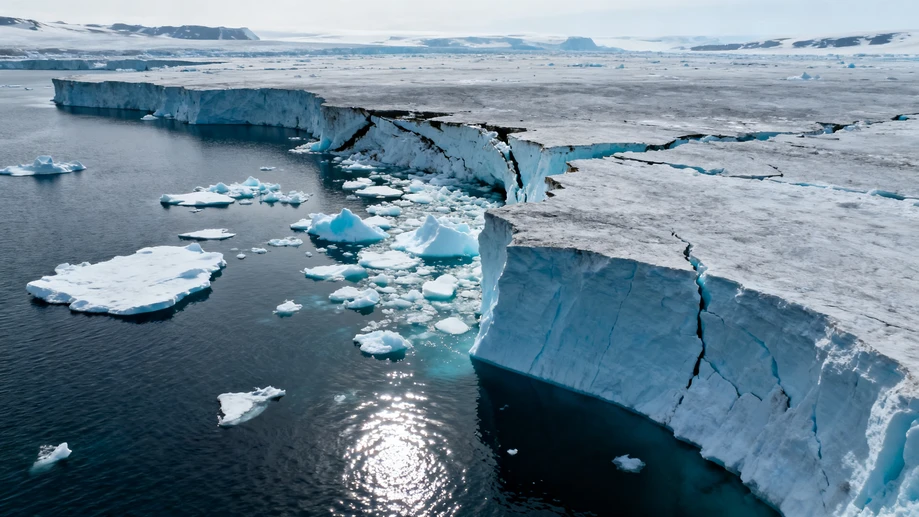
Imagine waking up to news of another coastal flood or a sudden heatwave that disrupts your commute—these aren't just random events but direct consequences of the dramatic changes unfolding in Earth's polar regions. As global temperatures climb, the Arctic and Antarctic are losing ice at an alarming rate, with scientists reporting that the poles are warming up to four times faster than the rest of the planet. This isn't some distant, abstract crisis; it's a tangible shift that's weaving itself into the fabric of our everyday lives, from the weather forecasts we check each morning to the groceries we buy. The ice loss is accelerating due to human-driven climate change, releasing vast amounts of freshwater into oceans and altering atmospheric patterns in ways that feel personal and immediate. Think of it as a global domino effect: what happens in the frozen ends of the Earth doesn't stay there—it travels right to your neighborhood, reshaping how we live, work, and play in ways we're only beginning to grasp.
One of the most visible impacts is how polar melting is turbocharging extreme weather, turning what used to be rare events into regular occurrences that disrupt daily routines. As the Arctic warms, it weakens the jet stream—a high-altitude river of air that guides weather systems—causing it to meander and stall. This leads to prolonged heatwaves, like the one that shattered records in Europe last summer, forcing people to cancel outdoor plans and strain power grids with relentless air conditioning use. Conversely, it also triggers intense cold snaps, such as the "polar vortex" events that freeze pipes and paralyze cities in winter. For instance, farmers in the Midwest now face unpredictable growing seasons, with late frosts or droughts ruining crops, which translates to higher prices at your local supermarket. It's a chain reaction: less ice means more open water in the Arctic, which absorbs heat and amplifies these shifts, making weather forecasts less reliable and forcing us to adapt our daily schedules to an increasingly volatile climate.
Beyond the skies, the melting ice is quietly reshaping our oceans and coastlines, with sea-level rise emerging as a slow-motion threat that's already altering daily commutes and vacations. As glaciers in Greenland and Antarctica melt, they pour trillions of gallons of water into the sea, causing levels to creep up by about 3-4 millimeters per year—a pace that's accelerating. This might sound minor, but it's enough to flood low-lying areas during high tides or storms, turning familiar beach towns into waterlogged zones. Take Miami, where "sunny day flooding" now forces residents to wade through streets on clear days, delaying traffic and damaging homes. For coastal communities, this means higher insurance costs and the need for expensive infrastructure upgrades, which trickle down to taxpayers. Even if you live inland, you're affected: ports and shipping routes face disruptions, leading to delays in goods like electronics or clothing, and rising waters threaten freshwater supplies by salinating aquifers, making tap water taste saltier in some regions.
The ripple effects extend to the food on your plate, as polar changes disrupt global ecosystems that underpin agriculture and fisheries. Warmer oceans, driven by ice melt, are shifting fish populations, with species like cod moving poleward in search of cooler waters—this forces fishermen to travel farther, increasing costs and reducing catches. That translates to pricier seafood at restaurants and markets. On land, altered weather patterns are hitting staple crops: coffee beans, for example, thrive in specific climates, but erratic rains and pests linked to polar warming are slashing yields in key regions like Brazil and Vietnam. As a result, your morning brew could become a luxury item, with prices soaring and shortages becoming common. Similarly, wheat and corn production faces new threats from droughts or floods, leading to bread and cereal price hikes that strain household budgets. It's a stark reminder that the poles' fate is tied to global food chains, making every meal a reflection of these icy transformations.
In the grand scheme, these changes are a call to action that starts with small, everyday choices, empowering us to mitigate the impacts while adapting to a new normal. Simple steps, like reducing energy use at home by switching to LED bulbs or supporting sustainable products, can collectively curb carbon emissions that drive ice loss. Communities are already innovating: cities are building green infrastructure to handle floods, and farmers are adopting drought-resistant crops. On a personal level, staying informed through reliable news sources helps us prepare—for instance, checking weather apps more frequently or choosing local, seasonal foods to reduce carbon footprints. While the polar meltdown might seem overwhelming, it's also an opportunity for resilience, showing how individual actions can ripple outward, much like the ice's effects. By embracing these shifts, we can turn a global challenge into a shared journey toward a more stable future, where daily life remains vibrant despite the thaw.