
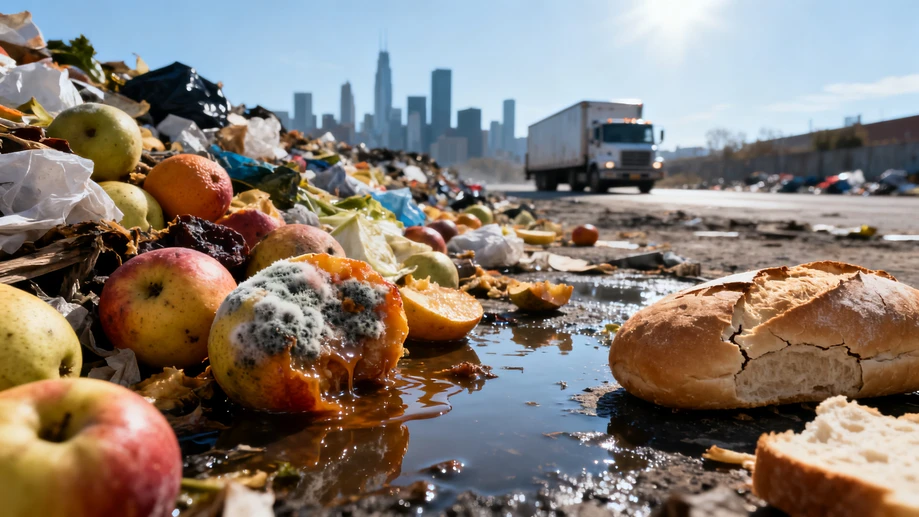
Did Your Last Meal End Up in a Landfill Instead of Your Stomach
Unveiling the Hidden Epidemic of Global Food Waste That's Starving Millions
Imagine a world where every third bite of food you take is tossed straight into the trash—this isn't science fiction, but a shocking reality. Globally, we waste a staggering 1.3 billion tons of edible food annually, equivalent to feeding every hungry person on Earth twice over. This epidemic starts in our kitchens: from forgotten leftovers to overripe bananas, our daily habits fuel a cycle of scarcity. In developed nations like the US, consumers discard nearly 40% of purchased groceries, while in regions like Sub-Saharan Africa, poor storage leads to massive losses before food even reaches markets. The irony? While billions go hungry, we're drowning in surplus. This waste isn't just careless; it's a ticking time bomb for humanity, rooted in convenience culture and inefficient systems. By confronting our own trash bins, we can spark a revolution against hunger—one plate at a time.
Dive into the numbers, and the scale of this crisis becomes mind-boggling. If all wasted food were a country, it would rank as the third-largest emitter of greenhouse gases, contributing 8% to global emissions—more than aviation and shipping combined. Rotting food in landfills releases methane, a gas 25 times more potent than carbon dioxide at trapping heat. But it's not just about gases; consider the resources squandered: producing that discarded food guzzles 250 cubic kilometers of water yearly, enough to fill Lake Geneva three times over. Economically, the losses hit hard—$1 trillion evaporates annually, draining funds that could end poverty. For instance, in the UK, households throw away £700 worth of food per family each year, money that could instead feed a child in need for months. These stats aren't dry figures; they're wake-up calls, revealing how our snack choices ripple across oceans.
Why does this happen? Blame it on a perfect storm of modern life: supermarkets' "buy one, get one free" deals tempt us into over-purchasing, while strict cosmetic standards mean misshapen carrots get rejected before hitting shelves. In supply chains, poor infrastructure in developing countries causes 40% of harvests to spoil during transport—picture trucks breaking down on bumpy roads, leaving fresh produce to rot. At home, confusion over "best before" dates leads to premature dumping; many items are safe to eat days later. Socially, cultural norms play a role—think lavish buffets where excess is a sign of hospitality, or the stigma around "ugly" foods. This isn't just waste; it's a systemic failure, where convenience trumps conscience. Yet, solutions are emerging: apps like Olio connect neighbors to share surplus, turning potential trash into treasure. By understanding these roots, we can hack the cycle.
The environmental fallout is catastrophic, yet often invisible in our daily routines. When food rots, it emits methane, accelerating climate change and fueling extreme weather that devastates farms—ironically, creating more waste. Landfills overflow, contaminating soil and water with toxins, while the energy used to grow, ship, and chill wasted food equals 3.3 billion tons of CO2. This isn't abstract; it hits home through rising grocery bills and erratic seasons—like when droughts spike prices. Biodiversity suffers too: monoculture farming for excess production erodes soil health, killing off pollinators. Economically, the ripple effects deepen inequality; small farmers lose income when crops spoil, while consumers pay for inefficiencies. In cities like New York, discarded food clogs sewers, causing floods. But here's the twist: reducing waste could cut emissions by 70 gigatons by 2050—a simple fix with planetary perks.
You hold the power to turn the tide, starting with everyday tweaks that feel effortless yet impactful. Begin by planning meals: jot down a weekly menu to buy only what's needed, slashing impulse purchases. Store food smartly—use airtight containers for leftovers, and freeze bread before it molds. Embrace "ugly" produce; those crooked cucumbers taste just as sweet and cost less. Apps like Too Good To Go offer discounted near-expiry items from local stores, saving money and waste. Composting transforms scraps into garden gold, reducing landfill loads—even apartment dwellers can use countertop bins. Globally, join movements like "Love Food Hate Waste," which educates on portion control. In Japan, the "mottainai" philosophy (meaning "don't waste") inspires minimalism. These actions aren't chores; they're empowering habits that, multiplied by millions, could save enough food to feed 2 billion people. It's about making waste personal and purposeful.
In the end, this isn't just about trash—it's a call for global unity against hunger. By rethinking our relationship with food, we can shrink waste by 50%, as seen in Denmark, where national campaigns cut losses by 25% in five years. Innovations like AI-powered fridges that track expiry dates are emerging, but real change starts with awareness. Share stories: a community fridge in London rescues tonnes of surplus daily, feeding families. Support policies, like France's law banning supermarkets from dumping unsold food. Together, we can transform waste into abundance, proving that small acts—like savoring every bite—can heal the planet. So, next meal, pause. Ask: "Is this destined for landfill or life?" Your answer could feed the world.