
Five Ways Your Morning Coffee Fuels the Global Economy
Your daily brew secretly powers international markets and connects continents
That steaming cup in your hand does more than just wake you up - it's a liquid engine driving a $465 billion global industry. From Ethiopian highlands to Wall Street trading floors, coffee creates economic ripples across 70 producing nations and every corner of the consumer world. Each sip represents a complex journey involving 25 million smallholder farmers, international commodity brokers, and retail giants. The coffee trade showcases how everyday habits intertwine with currency fluctuations, climate policies, and international labor markets. As you take your first morning gulp, consider this: your caffeine ritual actively participates in one of the world's largest agricultural supply chains.
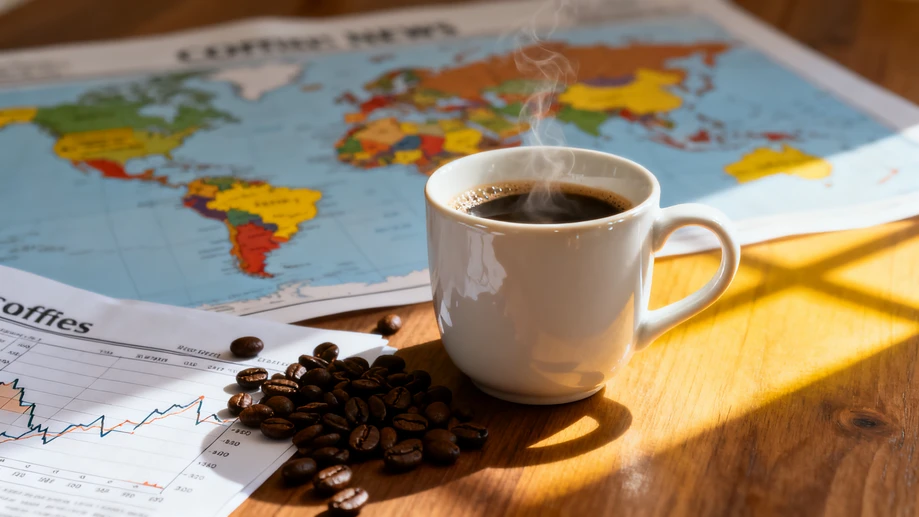
Behind the humble bean lies a high-stakes financial drama playing out in futures markets. Arabica and Robusta coffee contracts rank among the most actively traded commodities, with price swings making or fortunes overnight. When frost hits Brazilian plantations or shipping delays strike Vietnamese ports, traders from New York to London scramble to adjust positions. Major hedge funds deploy complex algorithms to predict how weather patterns will affect next season's harvest. These market gyrations directly impact both farmers selling raw cherries and your neighborhood café's pricing. The volatility creates millionaires but also devastates unprepared growers, illustrating capitalism's rawest edges in a single beverage.
Emerging technologies are reshaping coffee's economic landscape in surprising ways. Blockchain now tracks beans from Guatemalan hillside farms to European roasters, ensuring fair compensation while attracting ethical investors. Israel's tech startups are developing drought-resistant coffee plants using CRISPR gene editing, anticipating climate change disruptions. Meanwhile, China's growing café culture fuels record imports, creating unexpected trade routes between Yunnan and Colombia. Investment surges into nitro cold brews and mushroom-infused varieties signal shifting consumer tastes. Even spent coffee grounds enter the circular economy as biofuel feedstock and sustainable packaging material, proving innovation percolates through every production stage.
The "coffee economics" extend beyond exports to shape entire nations. For countries like Uganda and Honduras, coffee generates over 20% of agricultural GDP, funding schools and infrastructure. Remittances from seasonal harvest workers form crucial income streams across Central America. Specialty coffee premiums have launched rural development projects in Rwanda, while Brazil uses coffee export revenues to stabilize its currency during economic downturns. Conversely, price crashes create migration waves - when 2018 coffee futures collapsed, thousands of Nicaraguan farmers headed north seeking work. This delicate balance makes coffee a geopolitical bargaining chip in trade negotiations and climate accords.
Your coffee choices now influence global financial flows more than ever. Sustainability-focused buyers sparked a $2.3 billion ethical certification market, shifting corporate behaviors. The rise of home brewing during lockdowns crushed café stocks while boosting appliance manufacturers. When major chains like Starbucks adjust prices, it serves as an inflation barometer watched by central bankers. Even cryptocurrency traders accept coffee beans as collateral in some emerging markets. As climate change threatens half the world's coffee-growing land by 2050, your daily cup represents both a vulnerable global commodity and humanity's interconnected economic future.