
The Silent Rise of Tactile Textures Dominates Modern Home Makeovers
From walls to furniture, touchable surfaces emerge as the unexpected hero in reshaping global interior spaces worldwide.
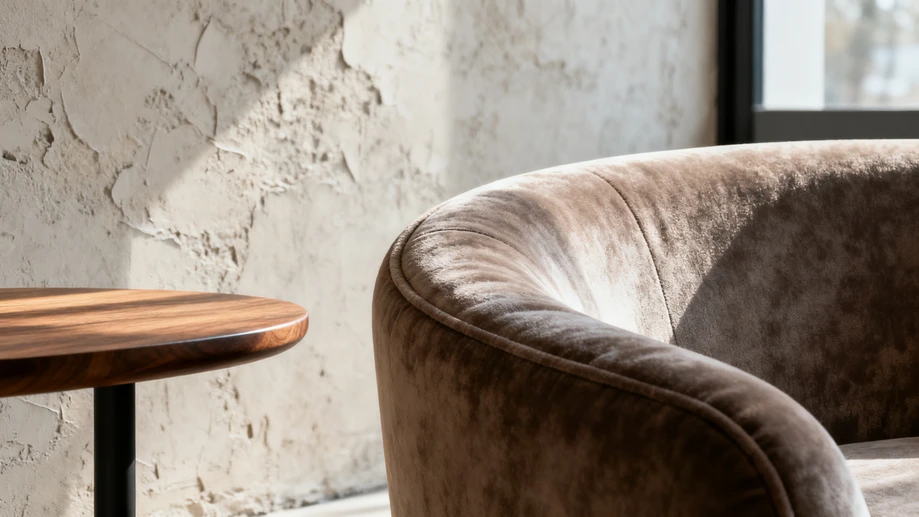
Gliding a hand across a roughly plastered wall or sinking fingers into a nubby boucle armchair provides more than just physical sensation; it offers instant emotional grounding. This primal connection to texture is fueling a quiet revolution in home aesthetics, moving beyond visual appeal to prioritize tangible, multi-sensory experiences. Design psychologists note this shift mirrors a collective yearning for authenticity and comfort in an increasingly digital world, where screens dominate and physical interactions feel scarce. Our homes become sanctuaries defined not just by how they look, but profoundly by how they feel to inhabit.
Interestingly, this trend manifests differently across continents while sharing a core tactile philosophy. In Scandinavian regions, the focus leans towards raw, untreated woods and cool stone surfaces, fostering a connection to harsh, beautiful natural landscapes. Contrastingly, Mediterranean interpretations embrace warmer, softer weaves like terracotta tiles and thick, handwoven wool throws, echoing sun-drenched coasts and relaxed lifestyles. Across Asia, particularly in Japan and Korea, meticulously crafted paper textures and smooth, polished ceramics create subtle haptic layers that promote mindfulness and quiet contemplation within compact living spaces.
Scientific research adds weight to this movement, revealing how specific textures directly influence mood and perceived comfort. Studies in environmental psychology demonstrate that surfaces with slight irregularities or organic patterns can reduce stress biomarkers and lower heart rates more effectively than perfectly smooth, synthetic finishes. Rough-hewn wood grains, for instance, trigger subconscious associations with nature, promoting relaxation. This isn't merely decorative preference; it's physiology responding to the built environment. The strategic use of varied textures becomes an unspoken tool for crafting desired atmospheres within different rooms.
Practical application of this trend centers on layered materiality. Designers encourage moving beyond single textural statements to create rich, sensory narratives. Imagine pairing the cool smoothness of a concrete kitchen countertop with the warmth of a ribbed, wooden dining table. Or offsetting the sleek flatness of large-format tiles with deep-pile, undyed wool rugs. This intentional contrast creates dynamism and prevents monochromatic texture schemes from feeling stagnant. Key lies in balancing different touchpoints – combining hard with soft, smooth with coarse, warm with cool – to achieve harmony without overwhelming the senses.
Looking ahead, the tactile revolution shows no sign of fading. Innovation thrives in material science, developing new composites that mimic natural textures or offer unprecedented durability without sacrificing sensory appeal. Think ultra-hard ceramics mimicking soft suede, or recycled fabrics achieving the luxurious depth of raw silk. The future home won't just be smart; it will be profoundly sensate, inviting touch at every turn. As walls learn to whisper under fingertips and furniture offers a warm embrace, we rediscover the simple, grounding power of feeling truly connected to our spaces.