
5 Weird Things Happening to Your Money Right Now
Your wallet's playing hide-and-seek with global economics
Ever feel like your money is acting strangely, even when it's just sitting in your account? You're not imagining it. The global financial stage is currently hosting a bizarre circus where the usual rules seem suspended. Forget dry stock reports; the real action is in the quirks reshaping the value of every dollar, euro, or yen in your pocket. From currencies staging surprise comebacks to everyday items becoming unlikely investment stars, the economic landscape is full of head-scratching twists. Understanding these oddities isn't just for Wall Street types – it’s key to making sense of your own purchasing power and financial choices in a world that feels increasingly unpredictable.
The first peculiar act involves a global game of monetary chicken, but in reverse. Instead of the usual race to devalue currencies to boost exports, we're witnessing a surprising 'reverse currency war'. Major central banks, led by the US Federal Reserve, are aggressively hiking interest rates to combat inflation. This makes holding their currencies more attractive, causing the US dollar to surge dramatically against almost everything else. While a strong dollar sounds good for American travelers, it wreaks havoc globally. It makes dollar-denominated debts (like those many emerging markets hold) far more expensive to repay, squeezes companies outside the US that rely on dollar funding, and forces other central banks to hike rates faster than they'd like just to prevent their own currencies from collapsing, potentially triggering recessions. It's a perverse competition where everyone tries to strengthen their currency, not weaken it.
Next up is the baffling saga of the used car. Remember when cars were depreciating assets? That logic got thrown out the window. A perfect storm – pandemic-induced factory shutdowns crippling new car production, a surge in demand as people avoided public transport, and a critical shortage of tiny but vital computer chips – turned the used car lot into an unexpected goldmine. Prices skyrocketed, sometimes exceeding the original sticker price of a new model! While the frenzy has cooled slightly, used car values remain stubbornly high compared to pre-pandemic norms. This isn't just about cars; it's a stark lesson in how supply chain disruptions, amplified by pent-up demand, can fundamentally alter the value proposition of everyday goods, turning them into temporary stores of value almost akin to collectibles.
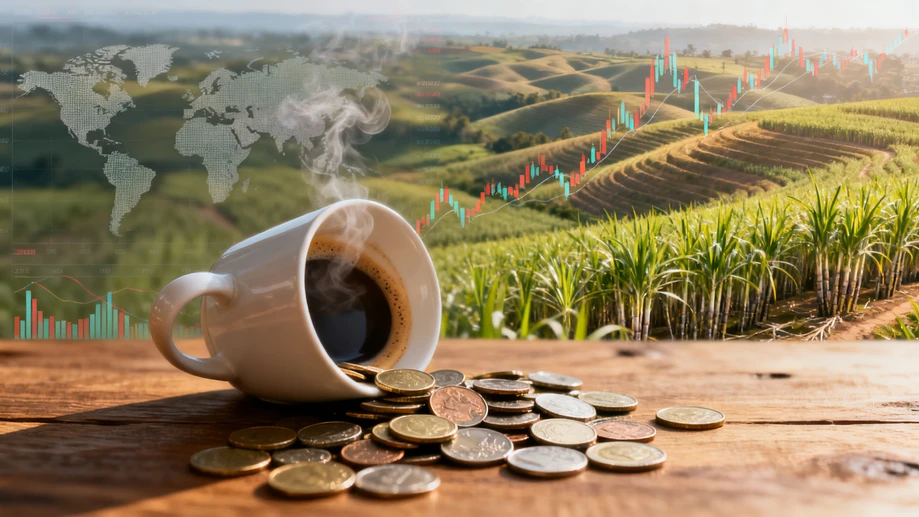
Then there's the coffee conundrum that would confuse any caffeine addict. While the price of coffee beans traded on commodity exchanges (like Arabica futures) has actually fallen significantly from recent peaks, the cost of your morning latte or bag of grounds at the supermarket keeps climbing. This disconnect highlights the brutal lag and friction in global supply chains. High shipping costs, expensive fuel for transport and roasting, labor shortages, and packaging expenses all add layers of cost *after* the raw bean is bought. Retailers, facing their own rising operational costs, pass these on. So, even when the farm-gate price drops, consumers might not see relief for months, illustrating how inflation can become sticky and persist even when underlying commodity pressures ease.
Our fourth oddity features an unexpected safe-haven star: the Swiss Franc. Traditionally, investors fleeing market turmoil piled into gold or the US dollar. While the dollar is strong, the Swiss Franc has been quietly outperforming even that. Why? Switzerland's legendary political and economic stability acts like a financial bomb shelter. When war erupted in Europe (Ukraine), global growth fears spiked, or banking jitters surfaced (like the Credit Suisse saga), investors sought the ultimate port in the storm. Switzerland's independent monetary policy, massive current account surplus, and history of neutrality make the Franc a uniquely attractive asset when the world feels shaky. Its strength is a direct barometer of global anxiety, proving that in times of panic, boring and reliable can be incredibly valuable.
Finally, witness the unlikely rise of a currency powered by sugar and sustainability: the Brazilian Real. Brazil, a major agricultural powerhouse, is benefiting immensely from the global food price surge. But there's a twist beyond just soybeans and corn. Brazil is the world's largest producer of sugarcane ethanol, a key biofuel. As the world scrambles for alternatives to Russian oil and gas, and as policies push for greener energy, demand for ethanol (and the sugar used to produce it) has surged. High commodity prices, particularly for energy-linked agricultural products, are flooding Brazil with export dollars, boosting government revenues, and providing unexpected support for the Real. It's a potent reminder of how the green energy transition and geopolitical shifts are creating new winners in the currency markets, often in unexpected places. Your money's journey is far from straightforward; it's being tugged by forces ranging from war and chips to sugar and interest rate poker. Keep watching the weirdness – it tells the real story.