
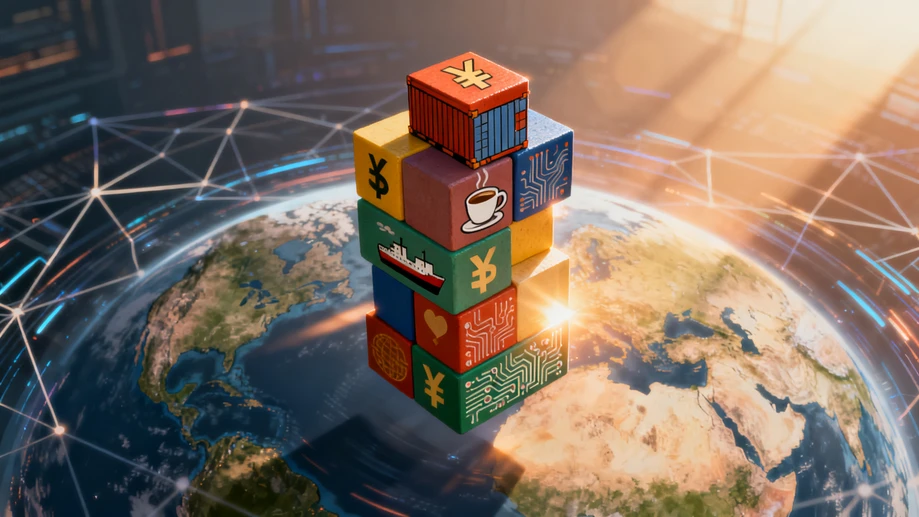
The Invisible Hand of the Global Economy is Actually a Giant Game of Jenga
How Everyday Decisions Shape the Financial World We Live In
Picture this: you're standing before a towering Jenga structure, each block representing a different part of the global economy. Your morning coffee purchase? That's one block. A factory worker's shift in Vietnam? Another block. When central bankers in Europe or Asia adjust interest rates, they're carefully extracting a block from the middle. This delicate balancing act happens every second across our interconnected world, where a sneeze in one market can trigger hurricanes in another. Remember the Great Toilet Paper Panic of 2020? What started as localized hoarding in Australia became a global supply chain nightmare, proving that even mundane consumer behavior can make the entire tower wobble.
Global trade flows like an intricate dance where everyone's stepping on each other's toes. Consider the smartphone in your pocket: its chips come from Taiwan, battery minerals from Congo, assembly happens in Vietnam, and design originates in California. When container ships got stuck in the Suez Canal in 2021, it wasn't just about delayed goods – it choked the arteries of global commerce, causing price spikes from furniture stores in Ohio to electronics markets in Nairobi. These ripples demonstrate how shipping routes have become the cardiovascular system of our planet, where a single blockage can give the entire economic body hypertension.
Currency markets operate like a 24-hour poker game where trillions change hands on digital tables. The Japanese yen might strengthen because tourists are flocking to see cherry blossoms, making Toyota's exports more expensive worldwide. Meanwhile, a British pensioner's grocery bill fluctuates based on whether traders in New York think the Euro will rise before lunch. Cryptocurrencies add wild cards to this game, with meme-inspired digital coins occasionally causing temporary tremors in traditional markets. These virtual currency battles directly impact real-world prices – your next vacation or car purchase might depend on speculative bets made by algorithms in Singapore server farms.
Central banks have become the ultimate puppet masters in this theater, pulling strings that move entire continents. When the U.S. Federal Reserve raises interest rates to cool inflation, emerging markets brace for impact as investment dollars rush back to America. This domino effect once turned Argentina's affordable steak dinners into luxury items almost overnight. Meanwhile, the European Central Bank's quantitative easing programs can accidentally make Norwegian fjord vacations cheaper for Chinese tourists. These monetary policy waves travel faster than ever, proving that money flows where it's treated best – regardless of national borders or political speeches.
Everyday consumers hold surprising power in this global game. Choosing between Brazilian coffee or Ethiopian beans directly influences commodity markets and farming communities. Opting for second-hand fashion disrupts the fast-fashion industry's carbon-heavy supply chains. Even streaming a K-drama instead of a Hollywood movie shifts entertainment revenue across oceans. These micro-decisions collectively steer corporate strategies and national economic policies. As sustainability concerns grow, ethical consumption has evolved from niche trend to market-moving force, with pension funds now dumping coal stocks because schoolteachers demand greener retirement portfolios.
This economic Jenga tower won't collapse – it just keeps transforming. Supply chains are reconfiguring into "China Plus One" strategies, with factories sprouting in Mexico and Vietnam. Digital nomads are accidentally creating micro-economies as they hop between Bali and Lisbon. The next seismic shift might come from AI productivity boosts or climate-driven migration patterns reshaping labor markets. While economists obsess over indicators and forecasts, the real magic happens in the mundane: a farmer choosing crops, a student taking online courses from abroad, millions deciding between streaming or sleeping. Our collective choices keep rebuilding the tower – one invisible block at a time.