
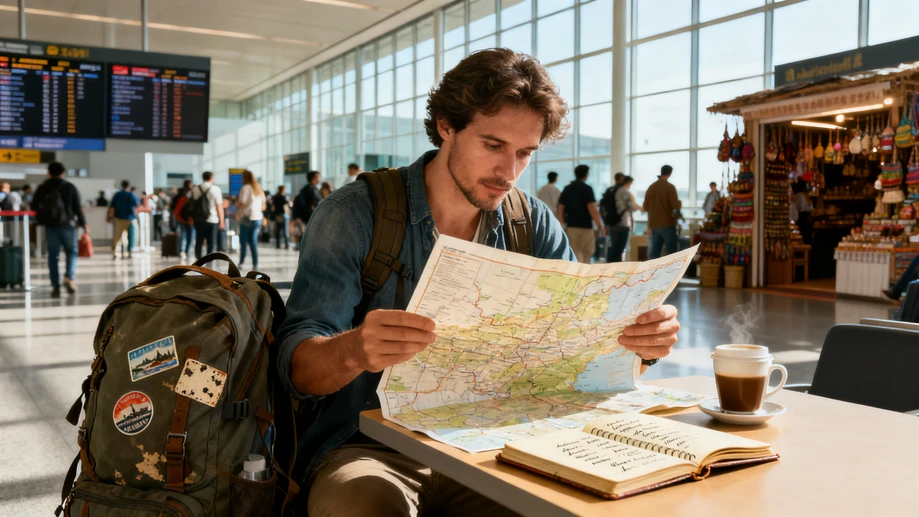
The Slow Travel Movement Redefines Modern Journeys
Embracing Local Rhythms Over Itineraries as Travelers Seek Meaning Beyond Sightseeing
A profound shift is rippling through the travel industry, moving away from whirlwind tours and towards immersive, unhurried experiences. Dubbed the "slow travel" movement, this philosophy prioritizes depth over distance and connection over checklists. Post-pandemic reflections have fueled this desire, with surveys indicating over 55% of global travelers now prioritize "experiencing local life" above visiting iconic landmarks. This isn't merely extending a vacation; it's a fundamental rethinking of what travel means. People are trading packed schedules for the freedom to linger, absorb, and truly inhabit a place, often choosing a single neighborhood or region for weeks rather than hopping between countries.
Rather than ticking off famous sites, slow travelers immerse themselves in the daily cadence of their chosen destination. They frequent neighborhood markets, learn basic phrases beyond greetings, and might spend an afternoon simply observing life in a local square. This deeper engagement often involves participating in community activities, volunteering, or learning traditional skills like cooking regional dishes or local crafts. The focus is on forming genuine connections with residents and understanding cultural nuances invisible to the casual tourist. This approach fosters mutual respect and often leads to more authentic, memorable interactions that challenge preconceived notions.
The economic impact of this trend is significant and localized. Slow travelers tend to spend their money differently, favoring family-run guesthouses, independent eateries, and local artisans over international hotel chains and souvenir shops. Their longer stays mean sustained income for smaller communities, particularly in rural or less-visited areas. This distributed spending pattern helps mitigate overtourism in hotspots while revitalizing economies in regions previously overlooked by mainstream tourism. It encourages the preservation of local traditions and crafts, as travelers seek meaningful, handcrafted souvenirs and experiences rooted in authenticity.
Technology, paradoxically, plays a crucial supporting role in this analog-focused movement. While slow travel advocates disconnecting, practical tools aid the experience. Offline maps help navigate without constant data, language translation apps facilitate deeper conversations, and community-based platforms connect travelers directly with local hosts offering unique stays or experiences far from commercialized offerings. These tools empower travelers to confidently explore less-trodden paths and arrange extended, localized accommodation without relying on large intermediaries, fostering independence and serendipitous discovery.
This evolution signals a maturing travel consciousness. It represents a move away from consumption-driven tourism towards mindful, relational travel. The emphasis shifts from accumulating passport stamps to accumulating understanding and shared moments. As environmental awareness grows, the reduced carbon footprint associated with slower, land-based journeys over multiple short-haul flights also resonates. The slow travel movement isn't about deprivation; it's about enrichment through presence, offering a richer, more sustainable, and ultimately more human way to explore our world, valuing the quality of moments over the quantity of destinations visited.