
Why Does Your Morning Coffee Taste Like Wall Street Drama?
The surprising journey of your daily brew through global economic chaos
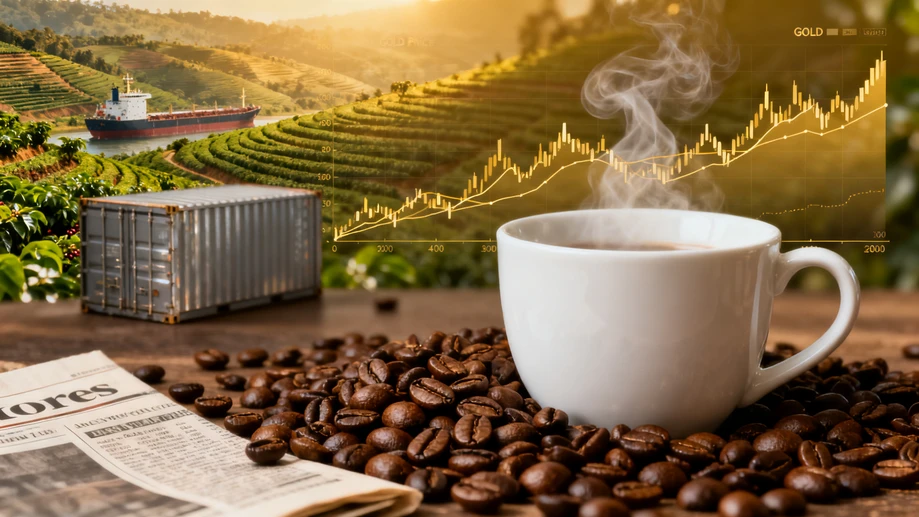
That steaming cup of coffee kickstarting your morning holds more financial intrigue than a Wall Street thriller. Global coffee prices recently hit decade-highs, sending ripples from Brazilian farms to your kitchen. The culprit? A perfect storm of climate chaos in Vietnam, shipping container shortages doubling transport costs, and panic buying by hedge funds betting on shortages. Your simple caffeine fix is now a liquid asset traded alongside oil and gold, with futures contracts swinging wildly based on Brazilian frost forecasts. Suddenly, that $6 latte feels less indulgent and more like a tiny investment portfolio.
Beyond the bean frenzy, a silent currency war brews in your coffee cup. When the Brazilian real weakens against the dollar, farmers flood markets to earn more greenbacks – temporarily lowering prices. But when the euro strengthens, European roasters buy less, creating inventory gluts. Meanwhile, Ethiopia's devalued birr makes its prized Yirgacheffe beans cheaper for New York importers overnight. These currency crossfires explain why your local café's prices don't always align with global bean costs. It's a 24-hour financial tango where central bank policies in Brasília directly impact your breakfast budget in Boston.
Your coffee loyalty program might secretly fund renewable energy projects. Major roasters now invest premiums directly into solar-powered mills in Colombia and water conservation tech in Guatemala. Why? Climate risks threaten 50% of suitable coffee-growing land by 2050. One Costa Rican cooperative even issues "coffee bonds" where investors fund shade-grown, bird-friendly plantations in exchange for fixed bean supplies. These aren't charity projects – they're calculated supply-chain hedges. When Unilever pays Kenyan farmers extra for drought-resistant coffee varietals, they're not being philanthropic; they're ensuring future inventory in a warming world.
The coffee supply chain hides ingenious financial engineering worthy of Silicon Valley. Blockchain tracks beans from Rwandan hillsides to your reusable cup, proving fair wages and organic certification. Satellite imagery monitors crop health, triggering automatic insurance payouts to Peruvian farmers during floods. AI algorithms predict global demand spikes by analyzing Chinese social media trends for "latte art." Even coffee waste gets monetized – spent grounds become biomass fuel powering roasteries, while husks transform into sustainable packaging. This isn't just agriculture; it's a real-time, tech-driven commodity ecosystem.
So tomorrow, sip your brew with newfound respect. That humble cup connects you to Vietnamese farmers battling rising fertilizer costs, Norwegian freight brokers navigating Suez Canal delays, and Italian roasters hedging against euro volatility. Every gulp embodies global trade tensions, currency fluctuations, and climate innovation. The world's second-most traded commodity (after oil) runs on razor-thin margins and complex risk calculus. Suddenly, "just coffee" becomes a masterclass in how interconnected our global economy truly is – one aromatic, caffeinated drop at a time.