
Polar Extremes Are Rewriting Earth's Rules Right Now!
How melting ice caps are quietly transforming your weather, groceries, and future vacations
Imagine your favorite beach vacation spot slowly vanishing underwater while your hometown experiences record-breaking heatwaves – both connected to events unfolding thousands of miles away at Earth's frozen poles. Scientists monitoring polar regions reveal that Arctic sea ice is shrinking at a staggering rate of 13% per decade, while Antarctica loses enough ice annually to cover New York City 1,000 feet deep. This isn't distant science fiction; it's altering jet streams that dictate whether your weekend picnic gets rained out or your winter heating bill soars. The poles act as Earth's air conditioning system, and their malfunction is sending climate chaos rippling across grocery bills, travel plans, and coastal real estate values worldwide.
Your morning coffee and tropical fruit imports face unexpected turbulence thanks to polar meltdowns. As reflective ice vanishes, darker ocean waters absorb more heat, accelerating global warming in a vicious cycle. This disrupts agricultural patterns – coffee-growing regions in Brazil battle unpredictable droughts while wheat belts from Canada to Ukraine face erratic growing seasons. Ocean currents, driven by temperature differences between poles and equator, are slowing down like a tired conveyor belt. This weakens the Gulf Stream's warming effect on Europe, potentially leading to colder winters even as overall global temperatures rise. Suddenly, that imported avocado or European wine becomes more vulnerable to supply chain shocks originating from melting glaciers.
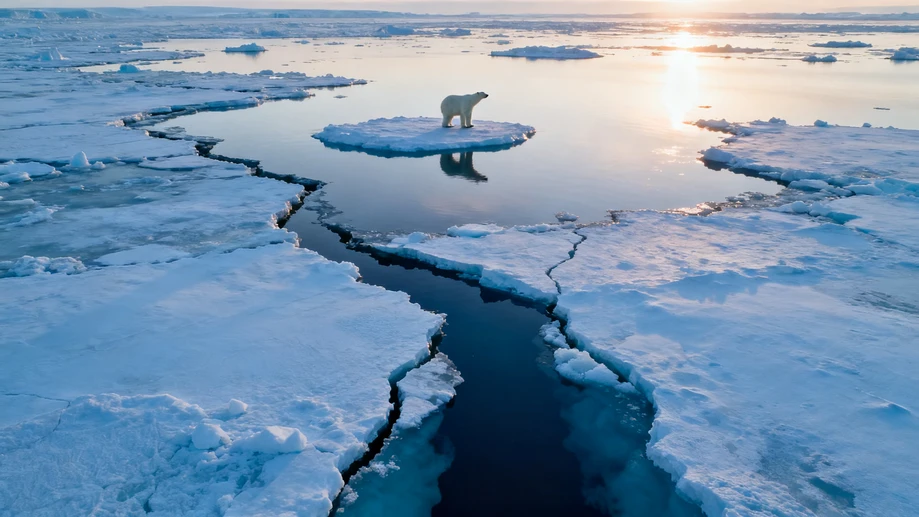
Wildlife dramas worthy of nature documentaries are unfolding in real-time across polar landscapes. Emperor penguin colonies in Antarctica face breeding catastrophes as sea ice vanishes before chicks develop waterproof feathers, causing mass drownings. Meanwhile, polar bears in Hudson Bay now endure ice-free seasons 30 days longer than in the 1980s, forcing them to swim exhausting distances or raid human settlements for food. Microscopic krill – the foundation of Antarctic food chains – decline as warming waters dissolve their icy habitats, creating ripple effects that could collapse fisheries providing your omega-3 supplements. Even reindeer herds in the Arctic tundra struggle as unusual winter rains freeze into impenetrable ice layers, locking away their food beneath deadly barriers.
Your next coastal getaway might require waterproof hiking boots instead of flip-flops. For every inch of global sea-level rise, beaches retreat horizontally by 100 feet or more – Miami already spends billions pumping sand onto disappearing shores. Venice's famous floods now submerge St. Mark's Square over 100 times yearly compared to just seven times a century ago. But the impacts reach far beyond tourist hotspots: saltwater intrusion into freshwater aquifers threatens drinking supplies from Florida to Bangladesh, while increased coastal erosion jeopardizes highways and neighborhoods from Alaska to Australia. Insurance companies quietly redraw flood zone maps, making waterfront properties financially untenable for ordinary homeowners.
Global efforts to address polar changes range from ambitious to bizarre. Norway's Svalbard Global Seed Vault, buried deep in Arctic permafrost, safeguards humanity's agricultural future as a biological backup drive. Meanwhile, engineers propose covering Swiss glaciers with reflective blankets to slow summer melting – a temporary fix resembling wrapping mountains in giant picnic sheets. On individual levels, citizen scientists track walrus movements via satellite and report real-time ice conditions using smartphone apps. While geoengineering proposals like injecting reflective particles into the atmosphere spark debate, researchers emphasize that reducing carbon emissions remains the only lasting solution to preserve Earth's frozen frontiers and stabilize our increasingly unpredictable weather.