Did You Know The Great Pacific Garbage Patch Has Developed Its Own Unique Thriving Ecosystem
This unexpected on-site discovery overturns common public perceptions of ocean pollution zones and reveals a brand new ecological change driven by human daily waste
For decades, the Great Pacific Garbage Patch, the largest accumulation of floating marine debris located between Hawaii and California, has been universally portrayed as a desolate dead zone full of discarded plastic bottles, broken fishing nets and tiny microplastic fragments. Most people assume no living creature could survive long term in this vast stretch of polluted water more than twice the size of Texas, apart from occasional seabirds that mistake plastic pieces for food and die from intestinal blockage. Last summer, a team of 7 amateur marine conservationists sailed a 40-foot shared community sailboat to the area, with no fancy research budget or specialized lab support, intending to map the distribution of large plastic chunks to plan for a volunteer organized waste recycling operation. What they found during their first three days of sampling completely upended everything they had learned about this iconic pollution site.
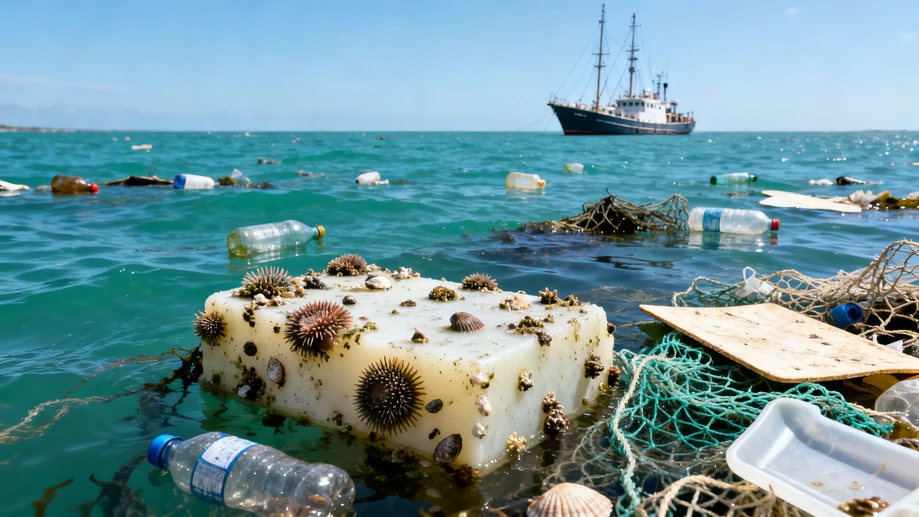
Over six weeks of slow drift across different sections of the garbage patch, the team collected more than 230 different samples attached to floating plastic objects, and found over 120 species of marine life that were previously thought to only live in shallow coastal rocky reefs and intertidal zones. Small barnacles, sea anemones, mussels, and even tiny crabs that usually could not survive more than a few days in the open ocean, had established stable, reproducing populations on thick plastic sheets and weathered plastic crates that had floated on the water for more than 20 years. Unlike natural driftwood or floating seaweed that decomposes within a few months, durable plastic debris can stay afloat for centuries, offering a permanent, stable moving platform for these coastal species that never existed in the open ocean before. The team even spotted a half-inch young pipefish hiding behind a crumpled transparent plastic bag, ambushing passing plankton just like it would hide among sea grass in its original near shore habitat.
This accidental new habitat does not mark a happy turn for the global ocean ecosystem, even though it seems to show the incredible adaptability of wild creatures. These floating rafts of plastic carrying coastal species drift with slow ocean currents at a speed of several kilometers per day, and can travel thousands of kilometers across the entire Pacific Ocean within a few years. In the past 18 months, local conservation teams on the coasts of Hawaii and Central America have reported more than 17 sightings of non-native coastal species that arrived on floating plastic debris from far away, and some of these foreign species have already begun to compete with local native creatures for limited food and habitat resources. Sea turtles and pelagic fish that used to wander across the open ocean also gradually learned to gather around these plastic patches to hunt the small creatures living on the debris, which greatly increases the risk that these larger animals will accidentally swallow small pieces of plastic while chasing their prey.
Marine conservation workers around the world are now facing a completely new dilemma that no one anticipated 10 years ago. Large scale full cleanup of the entire garbage patch that removes every piece of floating plastic will completely destroy these newly formed small self-sustaining ecosystems, and may lead to the unintended extinction of some small invertebrate populations that have already adapted to this new environment. But if the team leaves all the plastic debris floating in the ocean as it is, the cross-ocean biological invasion risk will continue to rise, and may cause irreversible damage to dozens of undisturbed coastal ecosystems across the Pacific. Most grassroots conservation groups have now abandoned their original full cleanup plan, and instead installed low cost solar powered GPS trackers on hundreds of large floating plastic rafts across the garbage patch, to monitor their drifting routes and send early warnings to coastal management teams once any debris cluster carrying non-native species approaches inhabited shorelines.
This strange, unplanned ecosystem created completely by human discarded waste teaches a plain but easily ignored lesson: the influence of human daily activities on the natural world is far more extensive and long lasting than most of us imagine. A single plastic bottle that someone throws into a roadside drain after finishing a drink, that eventually flows into the ocean through a city sewer, may end up becoming the home of dozens of small creatures decades later, drifting across half the world’s ocean. This does not mean people should stop reducing plastic use or abandon efforts to reduce marine pollution, but it reminds all environmental advocates to avoid sticking to rigid, outdated assumptions about what a healthy natural environment should look like. Working to observe, understand and adapt to these new, man-altered ecological systems will be an unavoidable task for environmental workers for decades to come.