
Did You Notice These Hidden Global Economic Wins Hiding Behind All The 2024 Doomscrolling?
Quiet shifts in cross-border supply chains, small-scale trade flows and emerging market revenue streams have created a set of underreported positive trends that most mainstream economic news outlets have overlooked over the past year.
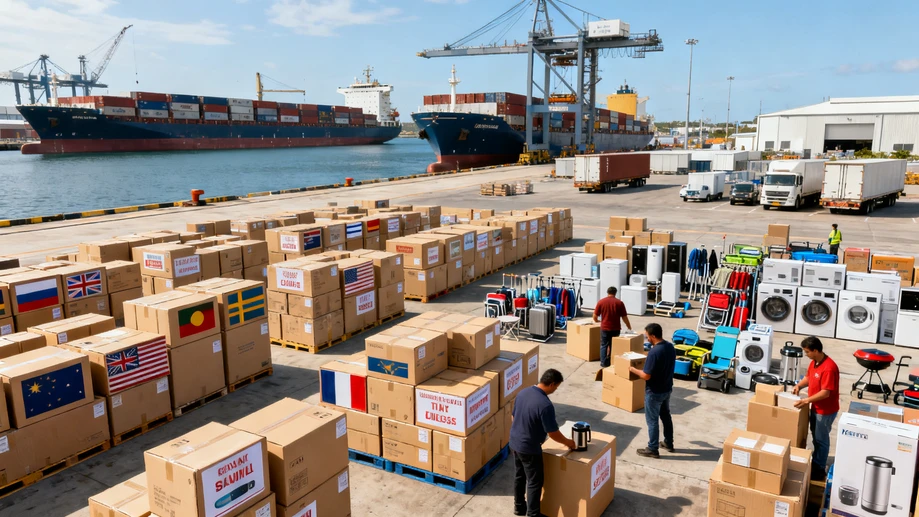
If you have spent even 10 minutes scrolling through global financial news in 2024, you have almost certainly run across dozens of headlines warning of imminent recession risks, sustained high interest rates that will crush household spending, and a looming wave of emerging market debt defaults that could send shockwaves across the entire global system. What few major outlets have chosen to highlight, however, is that most of these doomsday predictions have failed to materialize over the first nine months of the year, and a whole set of quiet, unpublicized positive trends have been steadily building up beneath all the alarmist coverage. For example, the widely cited narrative of collapsing external demand for developing Asian manufacturing goods does not line up with actual customs data from Vietnam, Thailand and Mexico, all of which have posted double digit year over year growth in exports of mid-range outdoor goods, affordable home appliances and home improvement supplies to North America and Western Europe this year. Western consumers did cut back on luxury spending and long-haul international travel for most of 2024, but they redirected that 180 billion USD in saved disposable income directly to categories of practical, low-cost physical goods that are largely produced in mid-income emerging economies, creating a quiet boom for small and medium sized factories across multiple regions that no large financial analyst firm predicted at the start of the year.
The much-feared emerging market debt crisis that was the top topic at the 2023 IMF annual meeting has also essentially vanished from real world data, even if alarmist outlets still run the occasional story referencing it. 17 low and middle income nations that were listed as high risk for sovereign default at the start of 2024 have either fully paid off their maturing external dollar debts ahead of schedule, or completed mutually agreeable restructuring deals with creditors months earlier than the worst case projections laid out by international financial institutions. Zambia completed its long negotiated debt restructuring deal in the middle of August, nine full months ahead of the original timeline set by the IMF, and its copper export revenue and surging cross border tourism inflows have already pushed its foreign exchange reserves 32% higher than projected levels for the end of the year. Multiple other African and Latin American nations have seen their export earnings from specialty agricultural goods, from Kenyan specialty coffee to Costa Rican tropical berry products, jump by more than 40% this year as new direct trade routes with East Asia open up, giving them far more financial breathing room than any forecaster anticipated.
The biggest uncounted positive trend in the global economy right now is the explosive growth of small scale cross border micro trade, which flies almost entirely under the radar of traditional large scale trade statistics kept by the WTO and major national customs agencies. The total volume of small, consumer facing cross border parcel shipments rose by 41% in the first six months of 2024, a growth rate more than five times higher than the 7% growth rate recorded for full container load traditional ocean freight shipments. Tens of thousands of small, family run workshops that never had the ability to access international distribution networks a decade ago, from Turkish handmade ceramic studios to Indonesian natural candle manufacturers to Mexican handcrafted leather goods makers, are now using social media platforms and low cost cross border e-commerce tools to sell their products directly to customers in 30 or more different countries, without going through large corporate wholesale middlemen. This massive new wave of grassroots trade is not reflected in the aggregated global trade data most analysts rely on, which is why so many economic observers have incorrectly claimed that global trade is stagnating or shrinking at a time when millions of small business owners around the world are earning far more revenue from international customers than ever before.
These hidden positive trends do not mean that there are no real economic challenges facing households around the world, from persistent core inflation in some service sectors to still high borrowing costs for home buyers. But they do mean that the popular narrative of a completely stagnant, collapsing global economy is wildly overstated, and regular people do not need to buy into widespread doomscrolling that drains their mental energy for no practical benefit. For ordinary consumers, these shifts mean a far wider selection of affordable, unique imported products are available on local store shelves and e-commerce platforms, often at far lower prices than they would have been just three years ago. For small business owners, the barriers to launching an international product line and accessing customers on other continents have never been lower, even for operators with extremely limited startup capital. Most of the most exciting economic shifts happening across the world right now are not the giant, headline grabbing moves from central banks or Fortune 500 corporations, they are the small, quiet connections being built between small producers and regular consumers across thousands of miles of ocean, that no mainstream news outlet has bothered to send a reporter to cover.