
Have You Noticed These Hidden Global Macro Trends That Are Shaping Your Weekly Grocery Budget Right Now
Few mainstream financial news outlets are covering the small, behind-the-scenes shifts in global supply chains and central bank policy that are quietly altering how much regular households pay for everyday goods across 2024
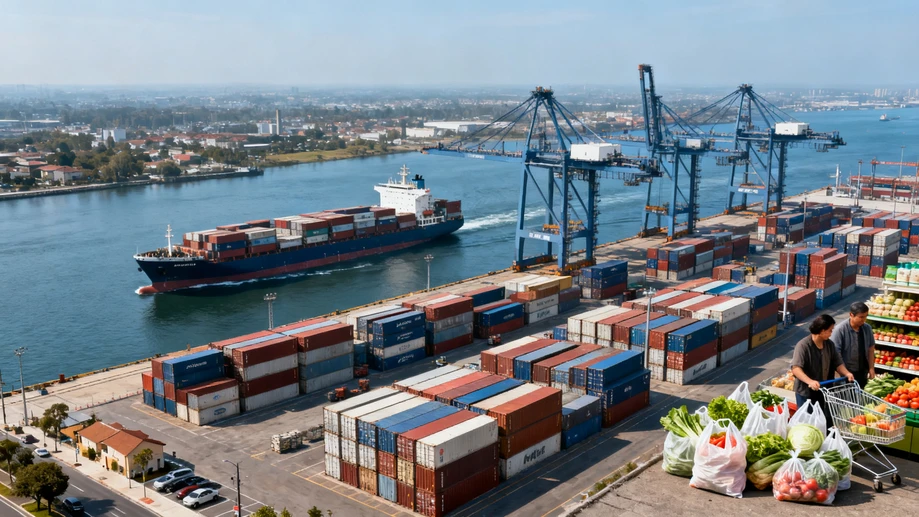
If you have walked down the frozen fruit aisle of your local supermarket in the past two months, you may have done a double take at the price of a 1-kilogram bag of imported frozen blueberries, which jumped nearly 22 percent in many North American and European locations without any official announcement of a broad inflation surge. That price hike has almost nothing to do with domestic wage growth or local store markup, and everything to do with a combination of two under-reported global logistical shifts that no major central bank’s policy update has mentioned in recent press briefings. The first is the ongoing multi-month drought that has cut maximum allowable draft for ships crossing the Panama Canal by nearly 40 percent, forcing hundreds of large container vessels to choose between paying six-figure expedite fees to jump weeks-long waiting lists, or sailing all the way around Cape Horn to move cargo between the Pacific and Atlantic oceans. The second is the lingering security disruptions along the Red Sea shipping lane that have pushed 30 percent of all Asia-Europe cargo routes to add a 12-day detour around the Cape of Good Hope, adding nearly 1800 US dollars in extra fuel and crew cost per standard 20-foot container that never shows up in official inflation metrics until the cost is fully passed on to end consumers three to four months after the route shifts first begin.
What is even more counterintuitive is that other recent macro shifts have pushed the price of some imported everyday goods down far faster than any analyst predicted, leaving many shoppers surprised to find high quality small appliances and imported wine priced lower this quarter than they were at the start of 2023, even as headline inflation remains steady at around 3 percent across most developed economies. For decades, industry observers assumed the global supply chain shift away from Chinese manufacturing would push consumer electronic and small appliance prices higher for years, as new factory bases in Vietnam and Indonesia took time to reach full production capacity. But almost no one predicted that Indonesia’s fast growing nickel processing and consumer component ecosystem would attract a wave of European and North American home appliance brands to shift low-end production directly to the Southeast Asian nation, cutting out two layers of intermediate component suppliers that used to add 15 percent to the final product cost. The recent removal of tariffs on Australian wine in one of the largest global consumer markets also created an unexpected surplus of high quality vintage wine being diverted to local European and North American supermarket shelves, pushing the average price of a mid-range bottle of Australian shiraz down by 17 percent in the past four months, a discount that has not been widely linked to global macro shifts in most local news coverage.
One of the most under-discussed global macro trends of 2024 has nothing to do with interest rates, tech stock valuations or cross border trade deals, and it is flying almost completely under the radar of mainstream financial news outlets across the world. Over the past six months, 17 different emerging market central banks have reduced their physical gold reserves by between 4 and 9 percent, and used the freed up funds to build large physical stockpiles of everyday agricultural commodities, including palm oil, wheat, frozen corn and non-perishable rice. Thai regulators confirmed last week that their central bank had purchased 120,000 tons of extra palm oil to add to national strategic reserves, while the Brazilian central bank confirmed it had reallocated 7 percent of its international reserve portfolio to physical wheat stockpiles stored across multiple neighboring port facilities. Central bank representatives have stated that the shift is designed to protect local consumers from the extreme global food price swings caused by increasingly frequent extreme weather events, and that the trend is expected to spread to at least 11 more national central banks before the end of 2024, creating a subtle new layer of floor pricing for core global food staples that did not exist even two years ago.
None of these hidden macro shifts require you to be a professional trader or financial analyst to take advantage of their effects on your daily household budget, and many of the best opportunities to save money run completely counter to the advice that mainstream financial pundits are putting out this year. Industry insiders note that the extra shipping costs from Red Sea and Panama Canal detours will not be fully passed on to frozen seafood, imported coffee and premium chocolate until mid-November 2024, so shoppers who stock up on these non-perishable or long shelf-life imported goods in the next six weeks will avoid the 15 to 20 percent price hike that will hit supermarket shelves in the final quarter of the year. On the other side of the ledger, the new low cost Indonesian small appliance supply chain will push the average price of popular small kitchen gadgets, wireless headphones and holiday gift electronics down by 14 percent compared to last year’s holiday season, so there is no need to rush to buy these goods during early October pre-sale events that most major retail chains are launching right now. These small, almost invisible shifts in the global macro economy do not make for dramatic breaking news headlines, but they end up having a far larger tangible impact on the amount of money you keep in your personal bank account at the end of the month than any 25 basis point interest rate adjustment from a major central bank.