
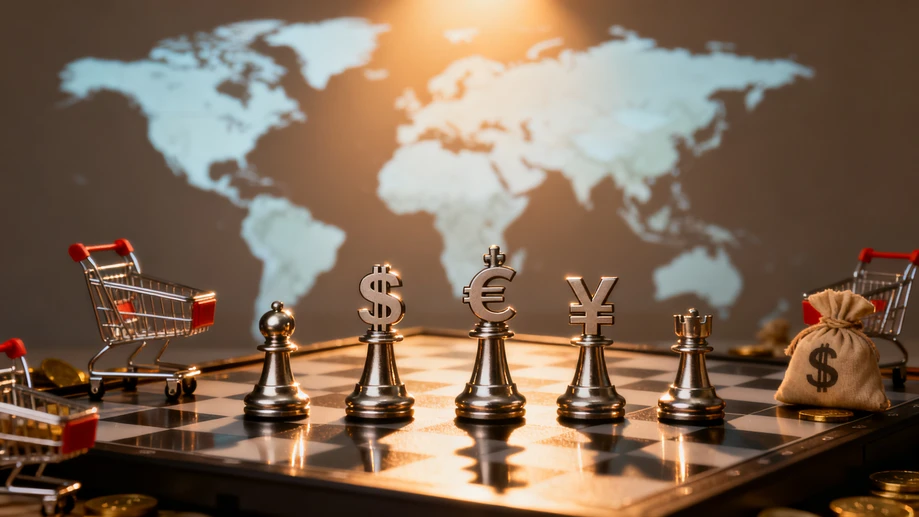
Are We All Just Pawns in a Global Currency Chess Game?
Unraveling the Invisible Threads That Control Your Wallet
Imagine buying a cup of coffee in Tokyo costing you double next month because bankers in Zurich pressed some buttons. That's currency volatility in action – an invisible force reshaping prices worldwide while you sleep. When central banks tweak interest rates or print money, they're not just moving numbers on screens. They're launching economic ripples that flood Brazilian supermarkets with cheaper American wheat, make European vacations suddenly affordable for Canadians, or squeeze Indian families paying for imported medicine. These monetary maneuvers form a high-stakes chess match where your purchasing power is both the prize and the casualty.
The Great Currency Tug-of-War plays out through three main levers: interest rates, quantitative easing, and good old-fashioned market chatter. Picture the U.S. Federal Reserve hiking rates like a magnet pulling global capital toward dollar assets. Meanwhile, the Bank of Japan keeps borrowing costs near zero, deliberately making yen the bargain basement currency to boost exports. Then there's the "verbal intervention" tactic – when European Central Bank officials merely hint at future policies, triggering instant currency swings before any real action occurs. It's financial theater where words carry the weight of gold bars.
Your daily life absorbs these shocks in surprising ways. That sudden surge in avocado prices? Thank the Mexican peso's nosedive after interest rate shifts. The unexpected discount on your German-made car? A byproduct of euro weakness engineered through bond-buying programs. Even your retirement fund dances to this tune – pension managers scramble when currency fluctuations erase gains from overseas investments overnight. The most insidious impact hits developing nations: when the dollar strengthens, countries with dollar-denominated debt see repayment costs skyrocket, forcing brutal cuts to education and infrastructure budgets.
Countries deploy creative defenses against this monetary crossfire. Switzerland famously treats its currency like a wild stallion – ready to rein it in with massive market interventions when it gallops too high. Singapore's central bank manipulates exchange rates within secret bands rather than tweaking interest rates. Emerging economies like Brazil build "war chests" of foreign reserves, stockpiling dollars and euros as financial shields. Meanwhile, cryptocurrency emerges as a controversial hedge; Venezuelan businesses increasingly price goods in bitcoin to bypass hyperinflation, though the digital rollercoaster brings its own dangers.
Digital currencies now add fascinating wrinkles to this game. China's digital yuan allows pinpoint control over money flow, potentially letting Beijing block capital flight with keystrokes. Cryptocurrency adoption in inflation-ravaged economies creates parallel financial systems beyond government reach. Yet the old rules still apply: when the Federal Reserve sneezes, the global economy still catches cold. The real power lies with ordinary consumers – understanding currency connections helps you time big purchases, negotiate salary adjustments, or simply appreciate why your morning coffee behaves like a global economic barometer.