Did You Know Your Body Hosts a Thriving Metropolis?
Unraveling the fascinating secrets of the human microbiome and its global impact on everyday health.
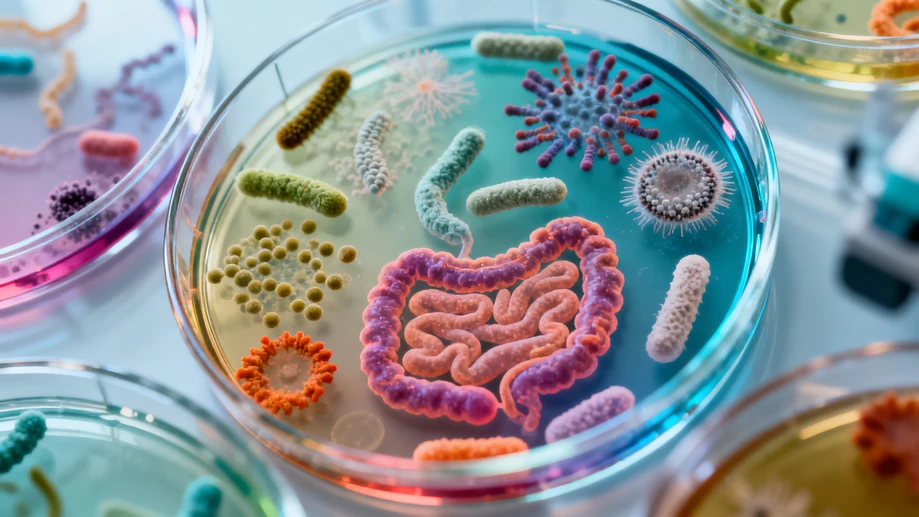
Imagine a bustling city inside you, teeming with trillions of residents—bacteria, viruses, fungi, and other microbes—working tirelessly to keep you alive. This isn't science fiction; it's the real-life microbiome, a complex ecosystem that scientists are only beginning to understand. Globally, researchers estimate that these microscopic inhabitants outnumber your own cells by ten to one, forming a hidden universe that influences everything from your mood to your immunity. In recent years, international studies, like those from the Human Microbiome Project, have revealed how this inner world varies across continents, shaped by diet, environment, and lifestyle. Forget lab coats and petri dishes; this is everyday biology, affecting how you digest that morning coffee or fight off a cold. The discovery is as revolutionary as it is relatable, turning our bodies into living laboratories of global science. So, next time you feel a rumble in your stomach, remember: it's not just hunger—it's a microbial metropolis in action, a testament to nature's ingenuity right under your skin.
Dive deeper into this microscopic realm, and you'll find that your gut is the epicenter of this global phenomenon. Here, microbes break down food, extract nutrients, and even produce vitamins like B12 and K, essential for energy and blood clotting. Picture this: after a meal, billions of bacteria in your intestines ferment fibers, releasing short-chain fatty acids that nourish your gut lining and reduce inflammation. This isn't isolated to one region; international research shows stark differences—for instance, people in Japan have gut microbes adept at digesting seaweed, while those in Mediterranean countries thrive on olive oil-rich diets. Real-life examples abound: a study tracking families across Europe found that children raised on farms develop diverse microbiomes that lower allergy risks, compared to urban dwellers. It's a daily dance of symbiosis, where your choices—like eating yogurt or going for a walk—directly shape this community. No need for futuristic gadgets; simple tools like DNA sequencing have unlocked these secrets, making microbiome health a hot topic in global wellness conversations. By understanding this, we're not just learning biology; we're tapping into a universal key to vitality, one that connects us all through the invisible threads of microbial life.
But the microbiome's influence extends far beyond digestion—it's a global guardian of your immune system. Microbes in your gut train your immune cells to distinguish friend from foe, preventing overreactions that lead to allergies or autoimmune diseases. Consider how international travel exposes you to new microbes, boosting your defenses; studies from the Global Health Institute show that people who move between countries often develop more resilient immune profiles. In everyday life, this plays out when you recover from a flu or avoid chronic inflammation. For example, probiotics in fermented foods like kimchi or kefir introduce beneficial bacteria, enhancing your body's natural armor. This isn't hypothetical; real-world data from health surveys reveal that populations with diverse diets, such as in Scandinavia or Southeast Asia, report lower rates of immune disorders. The beauty lies in its simplicity: no high-tech interventions needed, just mindful habits like reducing stress or getting enough sleep. As scientists worldwide collaborate, they're uncovering how this microbial network adapts to environmental changes, from pollution to pandemics. It's a dynamic, living shield that evolves with you, proving that health isn't just personal—it's planetary, woven into the fabric of our shared human experience.
Globally, the microbiome's diversity is a treasure trove of cultural and environmental stories, reflecting how our world shapes us. Travel to different corners of the Earth, and you'll encounter unique microbial signatures: in the Amazon rainforest, indigenous tribes host microbes that aid in digesting wild plants, while in urban Tokyo, city dwellers have strains resistant to pollution. This isn't just curiosity; it has real implications for health equity. International efforts, like the Earth Microbiome Project, map these variations, showing how Western diets high in processed foods can deplete microbial diversity, leading to issues like obesity or diabetes. Contrast this with traditional diets in places like rural Africa, where high-fiber meals foster robust microbiomes linked to longevity. Everyday examples make it tangible: when you swap fast food for a home-cooked meal with veggies, you're not just eating—you're curating a global ecosystem inside you. The data is compelling: a 2023 report by global health organizations highlighted that preserving microbial diversity could combat rising chronic diseases, urging policies for sustainable farming and food access. It's a call to action that starts in your kitchen, reminding us that our bodies are microcosms of the planet, where every bite tells a story of interconnectedness and resilience.
So, how can you nurture this inner world in your daily routine? It's easier than you think, with practical steps backed by global science. Start with diet: incorporate fermented foods like yogurt or sauerkraut, which introduce friendly bacteria, and load up on fiber-rich fruits, vegetables, and whole grains—these act as fuel for your microbes. Exercise regularly, as studies show physical activity boosts microbial diversity, and prioritize sleep to reduce stress hormones that harm gut health. Avoid overuse of antibiotics, which can wipe out beneficial bacteria; instead, opt for natural remedies when possible. This advice isn't one-size-fits-all; it draws from international guidelines, like those from the World Health Organization, which emphasize personalized nutrition based on your microbiome profile. Real-life success stories abound, such as people reversing digestive issues by tweaking their habits. The global angle? By adopting these practices, you're joining a movement toward preventive health, reducing reliance on medical systems and fostering sustainability. It's empowering, fun, and deeply human—proof that small changes can create ripples of well-being. In the end, your microbiome isn't just a biological wonder; it's a daily partner in health, inviting you to explore, protect, and celebrate the vibrant world within.