
5 Astonishing Ways Your Gut Bacteria Are Secretly Running the Show
Microscopic Maestros Conducting Your Health Symphony Behind the Scenes
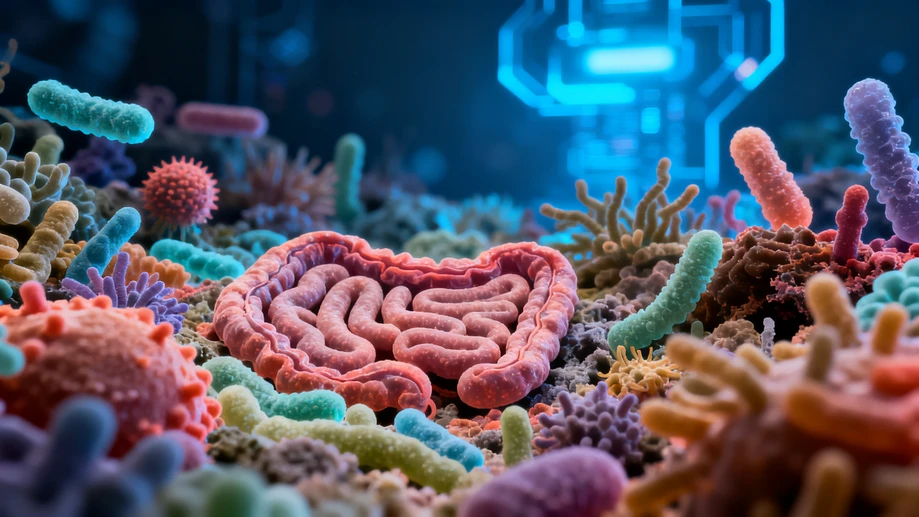
Imagine trillions of invisible conductors orchestrating your cravings, mood swings, and immune defenses from the shadows of your digestive system. This microbial metropolis, weighing up to 2 kilograms in adults, operates a biochemical factory more complex than any human invention. Scientists now recognize these gut bacteria not as passive squatters but as active collaborators in digestion, producing essential vitamins like B12 and K that our bodies can't create alone. Their metabolic byproducts influence everything from serotonin production to inflammation levels, turning your intestines into a command center where microscopic decisions ripple through your entire being.
Your food choices directly shape this internal ecosystem in a fascinating feedback loop. When you devour that fiber-rich apple, specific bacteria feast on its complex carbohydrates, releasing short-chain fatty acids that strengthen your gut lining. Conversely, processed sugars can trigger explosions of less beneficial microbes linked to bloating and fatigue. This microbial democracy votes with chemical signals, sending cravings for more of whatever fuels their population boom. That sudden urge for yogurt after antibiotics? That's your decimated bacterial workforce sending emergency memos through your vagus nerve.
Beyond digestion, these microorganisms maintain a hotline to your brain via the gut-brain axis. Gut bacteria produce about 90% of your body's serotonin—the neurotransmitter regulating mood and sleep—explaining why probiotics show promise in managing anxiety. Remarkably, studies reveal distinct microbial signatures in people with depression versus those without. When researchers transferred gut bacteria from depressed humans to sterile rats, the rodents began exhibiting depressive behaviors, demonstrating how microscopic inhabitants can influence macroscopic emotions.
Your microbial fingerprints even impact medication effectiveness. Scientists discovered that gut bacteria metabolize over 150 common drugs, including heart medications and painkillers. This explains why identical prescriptions work differently across individuals. In groundbreaking experiments, researchers successfully used fecal transplants to restore drug metabolism in patients whose microbes couldn't process Parkinson's medication. Such findings are revolutionizing personalized medicine, where future prescriptions might include tailored probiotic cocktails alongside traditional pills.
Maintaining microbial harmony requires simple daily rituals. Fermented foods like kimchi and kefir introduce beneficial reinforcements, while diverse plant fibers feed existing allies. Even mundane activities matter: gardening exposes you to soil microbes that boost immune diversity, while pet ownership increases beneficial bacteria through shared environmental exposure. Surprisingly, singing vibrates internal organs in ways that may stimulate microbial activity, adding scientific backing to the instinctive joy of belting out shower concerts.