The Astonishing Journey of Ocean Plastic!
Discover how microscopic invaders travel from the sea to your supper plate.
Imagine strolling along a pristine beach, the waves lapping at your feet, only to find tiny, colorful specks mixed in the sand. These aren't natural treasures; they're plastic particles, part of a global crisis that's silently invading our oceans. Every year, over 8 million tons of plastic end up in the sea, equivalent to dumping a garbage truck full of waste every minute. This isn't just an environmental issue—it's a human story, affecting coastal communities and marine life worldwide. From discarded bottles to synthetic fibers from your laundry, plastic waste accumulates in massive garbage patches, like the Great Pacific Garbage Patch, which is now twice the size of Texas. The scale is staggering, but the real shock lies in how these plastics transform and travel, weaving a tale that connects every corner of the planet. As you read this, trillions of particles are on the move, driven by currents and winds, turning our oceans into a swirling soup of synthetic debris. It's a journey that starts with everyday actions and ends with consequences we're only beginning to understand.
How does plastic even get into the ocean in the first place? It begins with simple human habits, like tossing a plastic bag or forgetting a straw at a café. Rainwater washes these items from streets into rivers, which act as highways carrying waste to the sea. In coastal cities, overflowing landfills and inefficient waste management systems contribute to the deluge. For instance, during monsoon seasons in Asia, rivers like the Yangtze and Ganges transport massive amounts of plastic debris to the ocean. But it's not just visible trash; microfibers shed from synthetic clothing during washing cycles slip through water treatment plants. These tiny threads, thinner than a human hair, flow into waterways and eventually reach the sea. Shipping and fishing industries add to the problem—accidental spills of plastic pellets or abandoned nets become floating hazards. Currents and tides then take over, distributing the plastic globally within months. The journey is relentless; what starts as a carelessly discarded item in London can end up on a remote beach in Indonesia. This invisible migration highlights how interconnected our world is, proving that no action is too small to echo across the oceans.
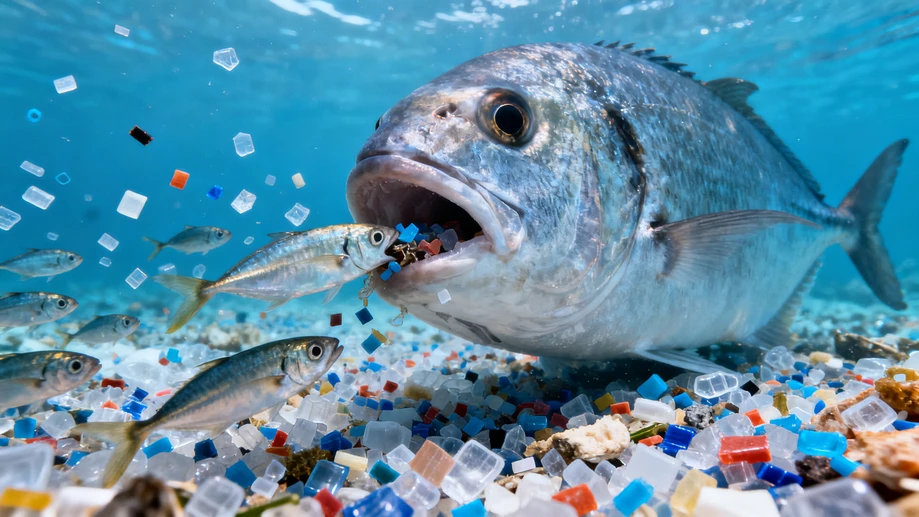
Once in the water, plastic doesn't stay intact for long. Sunlight, waves, and salt break it down into microplastics—pieces smaller than 5mm. This fragmentation creates trillions of particles that float like invisible dust, settling into every layer of the marine ecosystem. Scientists have found microplastics from the surface to the deepest trenches, including the Mariana Trench. These particles act like sponges, absorbing toxic chemicals from seawater, such as pesticides and industrial pollutants. Marine life mistake them for food; plankton, the foundation of the ocean food web, consume microplastics, mistaking them for plankton's natural prey. This ingestion leads to "bioaccumulation," where toxins build up in organisms over time. For example, fish that eat contaminated plankton store the chemicals in their tissues, creating a domino effect up the chain. Studies show that over 90% of sea birds have plastic in their stomachs, and coral reefs suffer from reduced growth rates due to plastic pollution. The real kicker? These microplastics aren't static—they hitch rides on ocean currents, circling the globe in massive gyres. This constant movement means that even remote Arctic ice now contains traces of plastic, showcasing how pervasive the problem has become in just decades.
The next stop in this journey brings the crisis straight to our dining tables. Microplastics infiltrate the food chain in ways that feel almost science-fiction, but it's painfully real. When larger predators like tuna or salmon consume smaller fish full of microplastics, the toxins concentrate in their flesh. From there, humans become unwitting participants; seafood meals introduce these particles into our bodies. Research reveals that the average person ingests about a credit card's worth of plastic each week through food, water, and even air. Tap water isn't safe—samples from cities worldwide contain microfibers. Bottled water, ironically, often has higher levels due to packaging degradation. Beyond seafood, microplastics contaminate soil via sewage sludge used in farming, ending up in crops like rice and vegetables. The health impacts are alarming: ingested plastics can cause inflammation, organ damage, and disrupt hormones. A recent study linked high plastic consumption to increased risks of diseases like cancer. Yet, the most unsettling aspect is how normal this feels—every sip of tea or bite of sushi could be carrying a hidden payload. This isn't a distant threat; it's a daily reality reshaping our health in subtle, insidious ways.
What can we do to turn the tide? The solution starts with awareness and simple, everyday changes in our routines. Reducing single-use plastics is key—swap disposable bottles for reusable ones, choose natural fabrics over synthetics, and avoid items like plastic straws. Governments and industries are stepping up; bans on microbeads in cosmetics and initiatives for circular economies, where plastic is recycled rather than dumped, are gaining traction. Innovations like ocean cleanup drones and biodegradable alternatives show promise. On a global scale, international agreements like the UN's plastics treaty aim for coordinated action. But individual efforts matter most; community beach cleanups or supporting brands that prioritize sustainability can create ripples of change. The journey of ocean plastic might seem daunting, but it's reversible—every small action reduces the flow. As consumers, we hold power; by demanding greener products and policies, we can steer this ship toward cleaner seas. The astonishing truth? We're not just victims; we're the navigators of this story.