
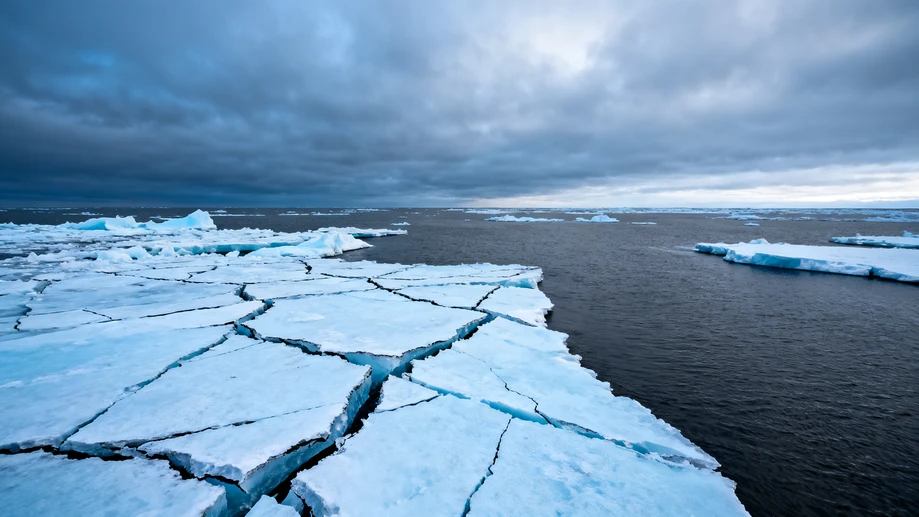
Oh My! Polar Ice Is Vanishing Before Our Eyes
Uncover the astonishing truth behind melting glaciers and how it's reshaping your world.
Imagine standing on the Arctic shore, where once-thick ice sheets now stretch into watery horizons. Polar regions are transforming at a breakneck pace, with glaciers melting faster than scientists predicted just a decade ago. This isn't science fiction—it's our reality, driven by rising global temperatures. Recent satellite images show the Arctic losing over 13% of its ice cover per decade, turning vast frozen landscapes into open ocean. For locals in Greenland, it's a daily sight: icebergs calving into the sea with thunderous roars, disrupting traditional hunting routes for indigenous communities. The thrill? This rapid change is creating new shipping lanes, but at a cost—wildlife like seals and walruses scramble for dwindling habitats. It's a dramatic shift that's not just confined to the poles; it's already affecting weather patterns in your backyard, making summers hotter and storms fiercer.
Why is this happening? Blame it on the greenhouse effect, where human activities pump carbon dioxide into the atmosphere, trapping heat like a giant blanket. In the Arctic, temperatures are rising twice as fast as the global average, a phenomenon known as Arctic amplification. This melts permafrost—the frozen ground that stores ancient carbon—releasing methane, a potent greenhouse gas. Think of it as a vicious cycle: more melting means more warming, which speeds up the process. Scientists from NASA and other institutions have tracked this through ice cores and drones, revealing that the Antarctic isn't spared either. Its massive ice shelves are cracking, with the Larsen C collapse in 2017 shedding an iceberg the size of Delaware. For everyday folks, this translates to unpredictable seasons—farmers in the Midwest report erratic rainfall, while coastal cities brace for higher tides during king tide events.
The ripple effects are wilder than a polar bear's hunt. As ice vanishes, sea levels creep up, threatening to submerge low-lying areas like Miami or Venice by mid-century. In the Arctic, iconic animals face survival challenges: polar bears now swim longer distances to find seals, leading to exhaustion and population declines. But it's not all doom—adaptation brings surprises. In Norway, reindeer herds are shifting migration routes, while new fish species appear in warming waters, offering opportunities for local fisheries. On a global scale, this meltdown influences ocean currents, such as the Gulf Stream, which could slow down and trigger colder winters in Europe. Imagine your next vacation: ski resorts in the Alps face shorter seasons, while beach towns deal with eroding shores. It's a domino effect that connects the poles to your coffee cup—coffee crops in Brazil suffer from altered rainfall, making your morning brew pricier.
Human fingerprints are all over this icy mess. Since the Industrial Revolution, burning fossil fuels for energy and transport has skyrocketed CO2 levels. Today, everyday choices—like driving gas-guzzling cars or using energy-hogging appliances—add to the problem. Data shows that if current trends continue, the Arctic could be ice-free in summer by 2040. But here's the kicker: small changes can make a big difference. Switching to renewable energy sources, like solar panels, reduces emissions and slows the melt. Communities in Iceland are leading by example, using geothermal heat to power homes, cutting their carbon footprint dramatically. For you, it could mean biking to work or opting for plant-based meals—actions that collectively curb warming. It's empowering: by understanding our role, we turn despair into action, ensuring that future generations won't inherit a watery wasteland.
So, what's next? Embrace hope through innovation. Researchers are developing "ice-protection" technologies, like reflective materials to cool surfaces, inspired by nature's own tricks. In your daily life, support policies for clean energy and join local conservation groups. Together, we can preserve the poles' magic—a world where glaciers still glisten and wildlife thrives. After all, saving the ice isn't just for scientists; it's a shared adventure that starts with you.