
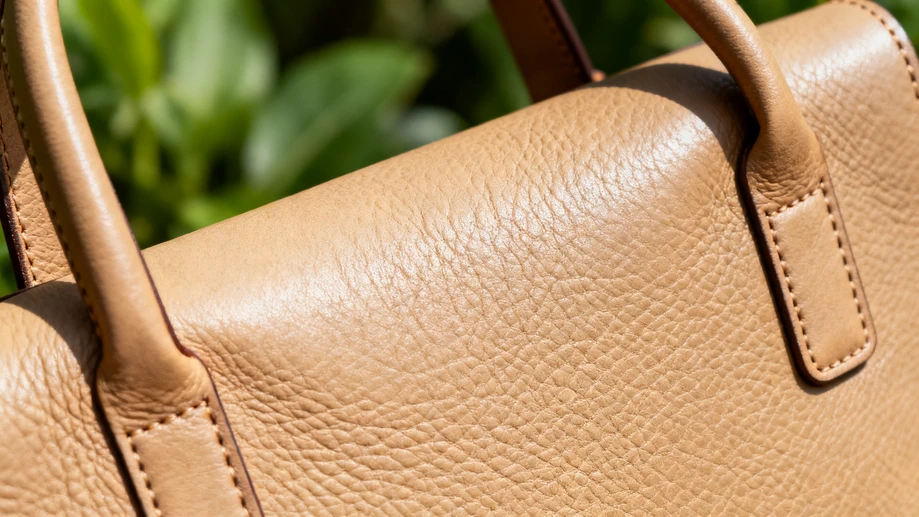
Could Your Next Handbag Be Made from Mushrooms?
Fungi-based leather is sprouting up in fashion boutiques worldwide, offering a sustainable twist on luxury accessories
Imagine walking into a high-end boutique and running your fingers over a buttery-soft handbag that looks and feels like premium leather. Now imagine discovering it grew from mushroom roots in a matter of weeks. This isn't science fiction – it's the reality of mycelium leather, a breakthrough material transforming the fashion industry. Scientists have harnessed the natural binding properties of fungal networks to create durable, biodegradable alternatives to animal hides and synthetic plastics. The process begins by feeding agricultural waste like sawdust or corn stalks to mushroom mycelium in controlled environments. As the organism feeds, it weaves intricate microscopic fibers that naturally fuse into dense mats resembling leather's texture. Within days, these living sheets can be harvested, treated with plant-based tannins, and transformed into wallets, shoes, or jackets.
The environmental impact is staggering. Traditional leather production requires massive land use for cattle and toxic chromium tanning processes, generating 300 million tons of CO2 annually. Mycelium leather slashes water consumption by 99% and decomposes in soil within months. Fashion giants from Paris to Tokyo have already launched limited-edition lines featuring mushroom leather goods that feel indistinguishable from calfskin. "It has the same luxurious drape and durability," explains materials scientist Dr. Elena Rossi, "but without the environmental guilt." One Italian manufacturer even replicates exotic animal patterns by manipulating growth conditions, eliminating the need for endangered species skins. Early adopters report their mushroom leather bags develop a unique patina over time, just like traditional leather.
Beyond fashion, this fungal revolution extends to furniture and automotive interiors. German engineers recently unveiled car seats wrapped in mycelium "hide" that's more breathable than synthetic alternatives. The material's natural fire resistance and acoustic properties make it ideal for aircraft cabins. Perhaps most remarkably, discarded products can be composted to fertilize the next generation of materials – creating a circular economy where yesterday's handbag becomes tomorrow's mushroom food. Researchers in California are now developing strain-specific "recipes" that yield materials with varying flexibility, thickness, and water resistance by adjusting temperature, humidity, and nutrient blends. Some experimental batches even incorporate coffee grounds or algae to create vibrant colors without chemical dyes.
As production scales up, prices are plummeting from luxury exclusives to mainstream affordability. What began as laboratory curiosity now fuels over 50 startups worldwide, with factories growing football-field-sized sheets of fungal leather monthly. The technology's simplicity allows small communities to establish micro-factories using local agricultural waste. In rural Thailand, farmers supplement incomes by converting rice husks into premium leather sheets sold to European designers. With major brands committing to fully sustainable lines by 2030, mushroom leather represents more than innovation – it's a fundamental shift in how we define luxury. The next time you admire a designer bag, remember: its ancestor might have sprouted in a dark, damp forest, quietly weaving the future of fashion.