
Who Says Web3 Is Only For Crypto Bro Wearing Hoodies
This casual no-jargon guide unpacks the real, daily accessible Web3 use cases that integrate seamlessly into your regular life with no fancy tech background required.
For a very long time, public discussions around Web3 have been wrapped in layers of exaggerated rumors and niche stereotypes, most people link the whole concept to all-night trading sessions on obscure platforms, weird expensive JPEG profile pictures, and groups of strangers speaking a language full of acronyms no outsider can understand. Most casual internet users will instinctively step back when someone mentions the term, assuming it belongs to a closed circle of tech nerds and speculative investors that has zero connection to their normal daily routines of ordering takeout, picking up a specialty coffee on the way to work, collecting limited edition stickers from favorite creators, or swapping unused membership perks with friends. This misunderstanding has kept a lot of useful, user-centric Web3 tools far from reaching the audience that can benefit the most from them, and makes the whole ecosystem look far more alien than it actually is.
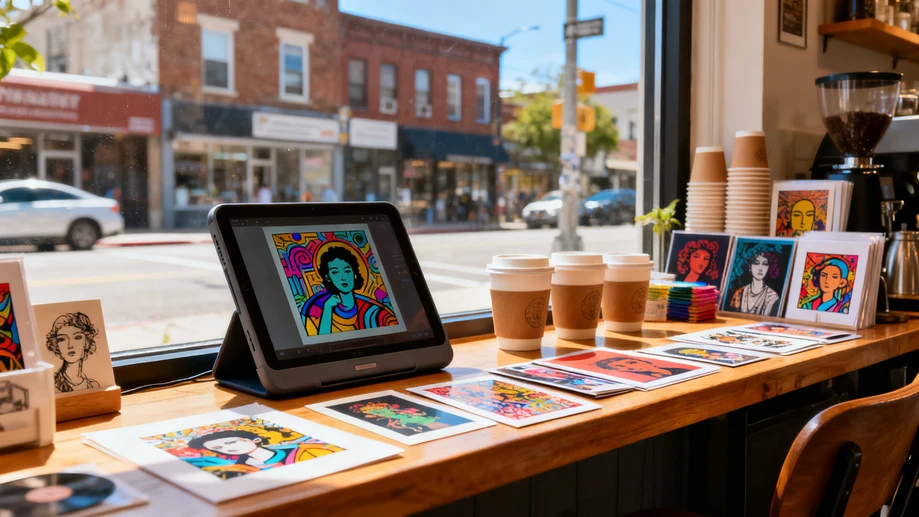
One of the most underrated practical Web3 applications you may already stumble across without notice is the new model for independent creator revenue distribution that cuts out the overpriced middleman. Right now, most social media and e-commerce platforms take up to 30% cut from every piece of digital art, custom sticker pack, online tutorial or digital zine a small creator sells, and if a buyer resells that work later, the original creator gets zero extra income no matter how much value their original creative work brought. On basic Web3 systems built for creator communities, every digital work is attached to a simple automatic rule written on a public shared ledger, that sends a small fixed percentage of revenue directly to the creator’s account every time the work changes hands, no complicated application process, no third party accounting department to delay the payment for weeks. You could buy a custom digital art piece from a local small creator at a weekend market, gift it to a friend three months later, and the creator will receive their pre-set small royalty instantly the second the transfer goes through, no hidden fees, no extra steps required for anyone involved.
You can also find Web3 powering far more flexible membership programs at local small businesses that have already popped up in dozens of neighborhood commercial districts around the world. Right now, most cafe loyalty cards, independent bookstore memberships and local activity pass programs are locked to a single platform’s server, if the business changes its point system, the third party membership app shuts down, or you leave the city for a long trip, all the points and perks you accumulated will disappear with no way to retrieve or transfer them. The Web3 based membership cards turn those perks into verifiable digital assets that you fully own, you can carry all your accumulated drink stamps, free book coupons and event priority access across all partner locations no matter what city you travel to, and if you no longer have time to visit the store, you can resell or gift the unused membership balance directly to another user without asking for approval from the store’s customer service team. There is no risk of losing your stored perks because a single platform server crashes or a business forgets to update their old point system.
A common concern people raise before trying out Web3 tools is the assumed steep learning curve for wallet setup and private key management that sounds too complicated for regular users. That concern was valid five years ago, but the current generation of consumer facing Web3 entry points are designed to be as simple as logging into a regular social media account with your phone number, you do not need to memorize 12 random seed words or buy extra specialized hardware to access the most widely used daily tools. Most platforms have integrated multi-factor verification that works exactly the same as your regular bank app, and you never need to deal with technical terms related to blockchain consensus, hash encryption or distributed ledger if you do not want to. You will not even notice the Web3 infrastructure running in the background most of the time, it just works to protect your digital rights without adding extra steps to your usual online activities.
At its core, Web3 is not some futuristic unproven technology that requires you to dump all your savings into speculative assets to participate, it is a set of simple decentralized systems built to give regular users full ownership of their own digital data, rewards and assets that big centralized platforms have been controlling for decades. You do not need to understand all the inner working mechanisms to benefit from it, just like you do not need to master 5G communication protocols to make a video call on your phone. As more small businesses, creator communities and local public service teams adopt these tools, you will soon see Web3 powering your concert ticket anti-counterfeit stubs, your cross-platform shopping points, your public community voting records and even the digital postcards you send to your friends after a trip, all fitting naturally into your daily life without any weird over-the-top gimmicks.