
Have You Ever Realized The Underwater Seagrass Meadows Outperform Tropical Rainforests At Carbon Storage
This field observation based popular science feature unpacks the little-known superpower of global coastal seagrass ecosystems that most people have never paid attention to in their daily seaside trips
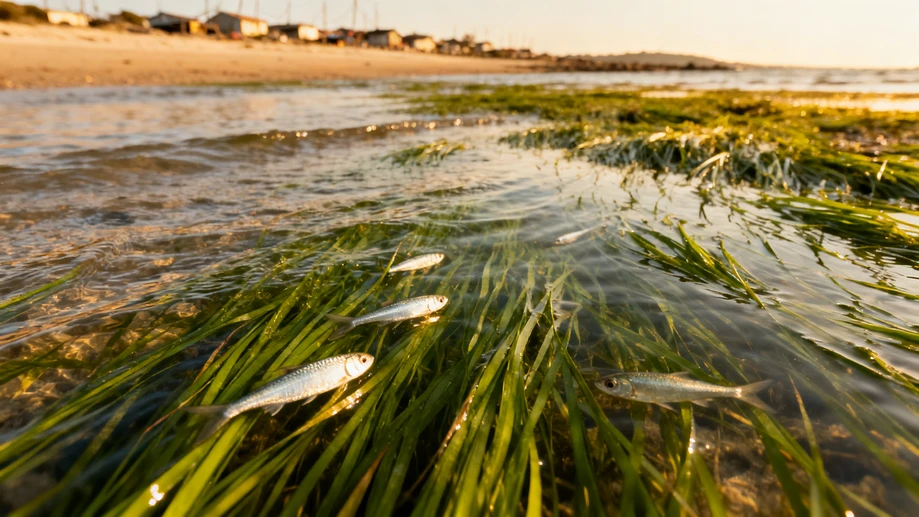
Most visitors who walk along sandy beaches on summer days usually focus on picking colorful seashells, chasing small crabs scuttling across the tide line, or wading in the shallow water to feel the cool current sweep over their ankles. Very few of them notice the soft, waving green patches spread under the clear surface 50 to 100 meters from the shore, and even fewer know these are not random clumps of drifting seaweed, but complete seagrass meadows growing their own roots deep in the soft underwater sediment. According to the latest public records shared by the global coastal volunteer monitoring network in 2024, there are roughly 300,000 square kilometers of intact seagrass meadows scattered along populated coastlines across every continent, most of them located within a 30-minute drive of residential areas, yet 78 percent of local residents living nearby have no idea these hidden green ecosystems exist right outside their neighborhoods.
For decades, tropical rainforests have been widely recognized as the most powerful natural carbon sink on land, but long-term field tracking by volunteer rangers shows that seagrass meadows beat rainforests at carbon storage efficiency by a huge margin. The leaves and roots of seagrass do not decompose quickly in the oxygen-free mud under shallow water, so the carbon they absorb during growth can stay buried under the sediment for thousands of years instead of being released back into the atmosphere as carbon dioxide. Each hectare of healthy seagrass meadow traps 9 to 12 times more carbon every year than an equal area of old-growth tropical rainforest, and the tiny symbiotic cycle running inside these meadows makes them almost entirely self-sustaining. Microscopic algae that stick to seagrass leaves can block sunlight and slow down growth, but tiny sea hares and small shrimp living among the grass blades will eat all the excess attached algae, and their nutrient-rich waste feeds the seagrass to support faster, healthier growth.
The hidden benefits of these underwater meadows go far beyond carbon storage, and many coastal communities have already felt their protective effects during extreme weather events in recent years. When a hurricane or strong typhoon pushes massive waves toward the shore, a 100-meter wide intact seagrass meadow can cut wave speed by more than 70 percent before the water even reaches manmade breakwaters. In many small fishing villages that sit next to healthy seagrass beds, local residents reported that their shoreline homes stayed completely dry during 2023’s strongest storm surge, while nearby settlements without seagrass protection suffered heavy flood damage. These meadows also act as natural nurseries for more than 200 species of commercial fish, crabs and shrimp, and local fishermen working near seagrass zones see 30 percent higher annual catches than peers who work in coastal areas with no seagrass coverage. During the 2022 massive red tide event along Florida’s Gulf Coast, testing records showed that areas with full seagrass coverage had 80 percent lower concentrations of red tide toxins than adjacent zones, as seagrass directly absorbs and breaks down the harmful algal waste.
These high-functioning ecosystems are disappearing at an alarming speed that very few mainstream news outlets have covered over the past two decades. Unregulated recreational motorboats often drive straight across shallow seagrass zones, and their spinning propellers rip entire patches of seagrass out of the sediment by the roots, leaving bare dead zones that can take decades to regrow. Many coastal tourism development projects also fill in shallow intertidal zones to build seaside resorts and artificial amusement facilities, completely wiping out seagrass meadows that have grown there for centuries. Up to now, one third of the world’s total seagrass coverage has vanished since the year 2000, a faster decline rate than the global loss of coral reefs, and most of these damaged meadows are never recorded in official environmental reports because almost no one is monitoring these little-noticed green patches.
The good news is that restoring and protecting seagrass meadows does not require huge budgets or fancy technical solutions, and ordinary people can make a noticeable difference with very small adjustments to their daily seaside activities. When you go out for a boating trip near the coast, stick to marked navigation channels and never steer into shallow green zones where seagrass might be growing. When you join local beach cleanup events, do not throw the seagrass that washes up on the tide line into general waste piles, as it can be used as perfect nutrient-rich compost for community gardens. More and more coastal neighborhood groups have launched small seagrass restoration projects in recent years, and even a few hours of volunteer work every month can help local meadows regrow to full health within 3 to 5 years, letting these hidden underwater grasslands keep protecting the coast, supporting local fishing communities and absorbing extra carbon from the atmosphere for generations to come.