
5 Mind-Blowing Ways Your Morning Coffee Shapes the Global Economy
From Bean to Brew: How Your Caffeine Fix Connects Continents
That steaming cup of coffee you cradle each morning is far more than just a wake-up call; it's a passport stamp on an epic, globe-trotting journey few fully appreciate. Forget just smelling the aroma; let's dive into the astonishing global network humming quietly behind your daily brew. This intricate supply chain, stretching from remote mountainsides to bustling financial hubs, connects millions of lives and sculpts the economic landscape in ways both surprising and profound.
Consider the geography: Your coffee likely began as a delicate cherry ripening under specific equatorial sun – perhaps in the highlands of Ethiopia, the volcanic soils of Colombia, or the vast plantations of Brazil. Millions of smallholder farmers, often families working plots no larger than a few hectares, nurture these trees. The timing of harvests, affected by increasingly erratic weather patterns, dictates global supply and sends ripples through commodity markets thousands of miles away. A drought in Brazil doesn't just parch the land; it jolts prices in New York trading pits and eventually, your neighborhood cafe.
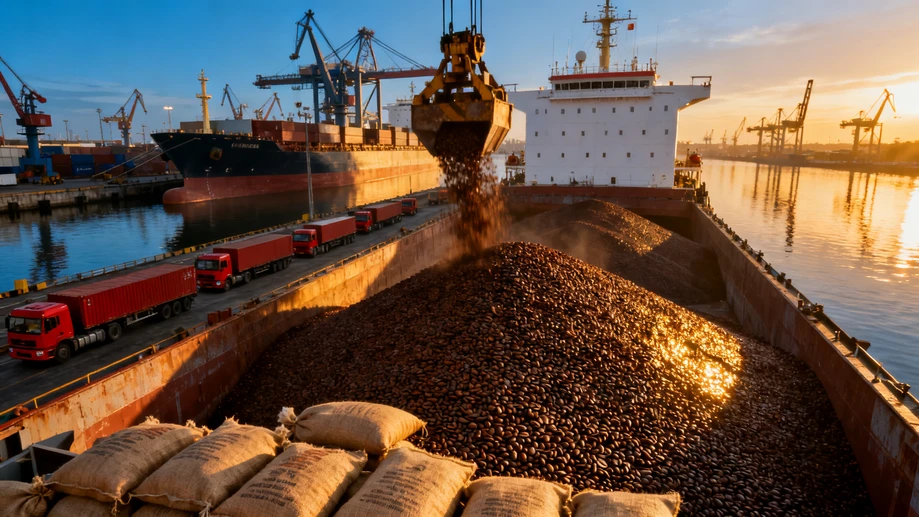
The journey intensifies post-harvest. Beans are meticulously processed (washed, dried, hulled), often in the country of origin, requiring significant local labor and infrastructure. Then comes the voyage: giant container ships, carrying thousands of burlap sacks or bulk beans, traverse oceans. Ports like Santos in Brazil, Mombasa in Kenya, and Antwerp in Belgium become critical hubs. This maritime ballet is governed by complex logistics, fuel costs, and even geopolitical tensions affecting shipping lanes. A blockage in the Suez Canal? That delay could mean your favorite roast arrives late and costs more.
Next stop: the roasters. This is where science meets art, transforming green beans into the aromatic brown gems we know. Major multinationals and passionate artisan roasters alike operate in this space. They buy beans based on futures contracts traded on exchanges like ICE Futures U.S. in New York – a high-stakes financial game where traders bet on coffee prices months in advance. The price your roaster pays there directly impacts the cost of your bag of beans. Roasting itself is energy-intensive, adding another layer of economic and environmental consideration to your cup.
Finally, the brew reaches you. But the economic impact doesn't stop at the cafe register or supermarket shelf. Think of the baristas whose livelihoods depend on coffee culture, the manufacturers producing everything from high-tech espresso machines to recyclable pods, the marketing agencies crafting coffee brands, and the waste management systems handling mountains of used grounds and cups. Innovations like "cascara" (tea made from dried coffee cherry husks) or using spent grounds for mushroom cultivation or biofuel are emerging, creating entirely new economic niches from what was once considered waste. The humble coffee bean fuels a vast ecosystem of jobs and industries far beyond the farm.
So, tomorrow morning, as you take that first sip, ponder this: Your coffee is a liquid thread weaving together farmers, traders, sailors, roasters, baristas, and countless others across the planet. It's a microcosm of global trade, subject to climate whims, market speculations, and logistical marvels. That cup represents not just a personal ritual, but a daily, tangible connection to a complex, dynamic, and truly global economy. It's a reminder of our interconnectedness, one delicious, caffeinated sip at a time.