
Unlock the Secrets of Your Morning Coffee
Discover the Fascinating Journey from Bean to Brew and Beyond
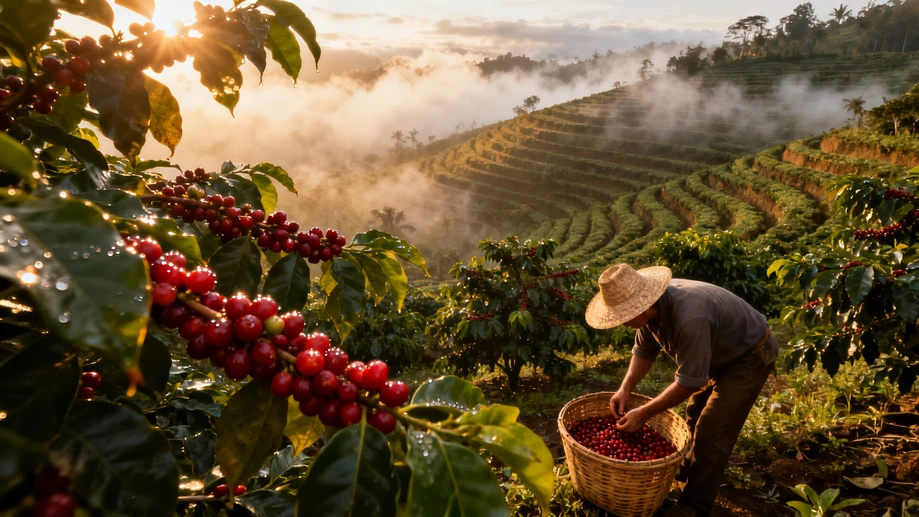
That steaming cup of coffee kickstarting your day holds more intrigue than you might imagine. Its rich aroma and complex flavors conceal a global adventure spanning continents and centuries. Coffee beans begin life as crimson cherries on tropical mountainsides, where altitude and soil composition create distinct flavor profiles. Ethiopian farmers still harvest Kaffa region beans by hand, just as their ancestors did when discovering coffee's energizing effects centuries ago. The journey from these remote highlands to your kitchen involves meteorology, chemistry, and even geopolitics – all converging in your humble mug.
Processing transforms raw cherries into export-ready beans through methods impacting flavor dramatically. Washed coffees ferment in water tanks, producing bright acidity reminiscent of citrus, while natural process beans dry in the sun, absorbing fruity sugars from their pulp. The roasting stage remains pure alchemy: beans pop like corn at 400°F as caramelization creates over 800 aromatic compounds. Master roasters listen for "first crack" like orchestra conductors, timing development to unlock chocolatey depths or floral notes. Surprisingly, darker roasts contain less caffeine despite their bolder taste – heat breaks down stimulant molecules while intensifying bitter compounds.
Your brewing method acts as a flavor extraction laboratory. Water temperature proves critical: below 195°F fails to dissolve oils properly, while boiling water scalds beans. The pour-over technique showcases terroir nuances through controlled saturation, whereas espresso machines force water through compacted grounds at nine atmospheres of pressure, emulsifying oils into that coveted golden crema. Even your mug matters. Porcelain preserves delicate aromas, while thick ceramic walls maintain optimal drinking temperature longer. The "bloom" – that initial frothy expansion when hot water hits fresh grounds – releases trapped carbon dioxide, signaling proper bean freshness.
Coffee's chemistry interacts uniquely with human biology. Caffeine blocks adenosine receptors, delaying fatigue signals to the brain for about five hours. Chlorogenic acids provide antioxidants that may reduce inflammation, while melanoidins formed during roasting support gut health. Timing matters too: cortisol levels peak around 8 AM, so drinking coffee after 9 AM yields better alertness boosts. Moderate consumption correlates with surprising benefits – studies suggest reduced risks of Parkinson's, type 2 diabetes, and even depression. But exceeding four cups daily may trigger anxiety, proving this ancient stimulant demands respect.
Beyond biology, coffee fuels economies and ecosystems. Shade-grown varieties preserve bird habitats, while "honey process" methods conserve water in drought-prone regions. The global supply chain faces climate threats though: rising temperatures could halve suitable growing areas by 2050. Innovations like CRISPR-edited disease-resistant plants and blockchain-tracked fair trade beans point toward a sustainable future. Next time you sip, consider the journey – a single cup represents the labor of 30 farmers, centuries of tradition, and Earth's delicate climatic balance, all delivered in your morning ritual.